The Fate of Irnia
Play The Fate of Irnia
The Fate of Irnia Screenshots
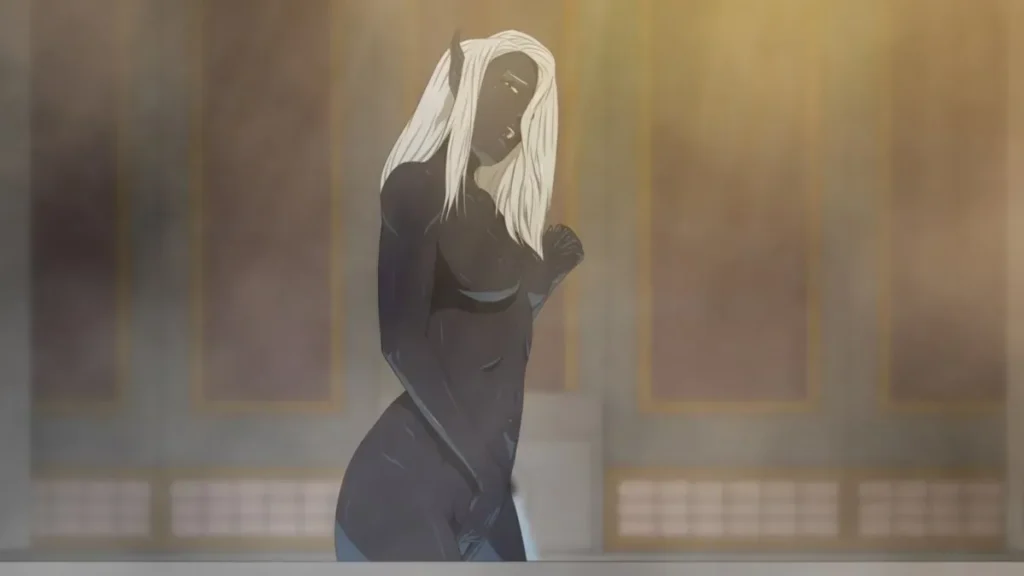
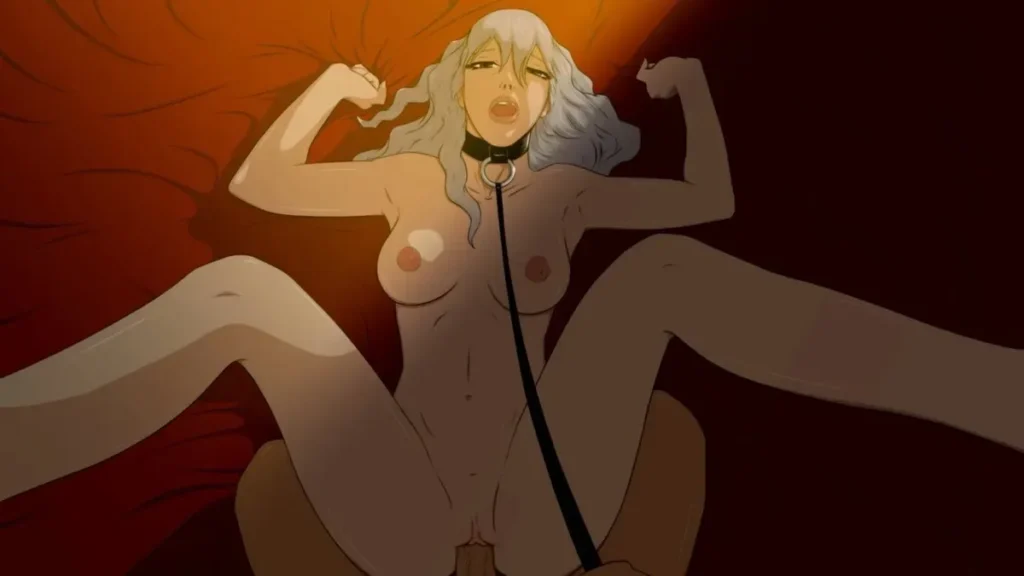
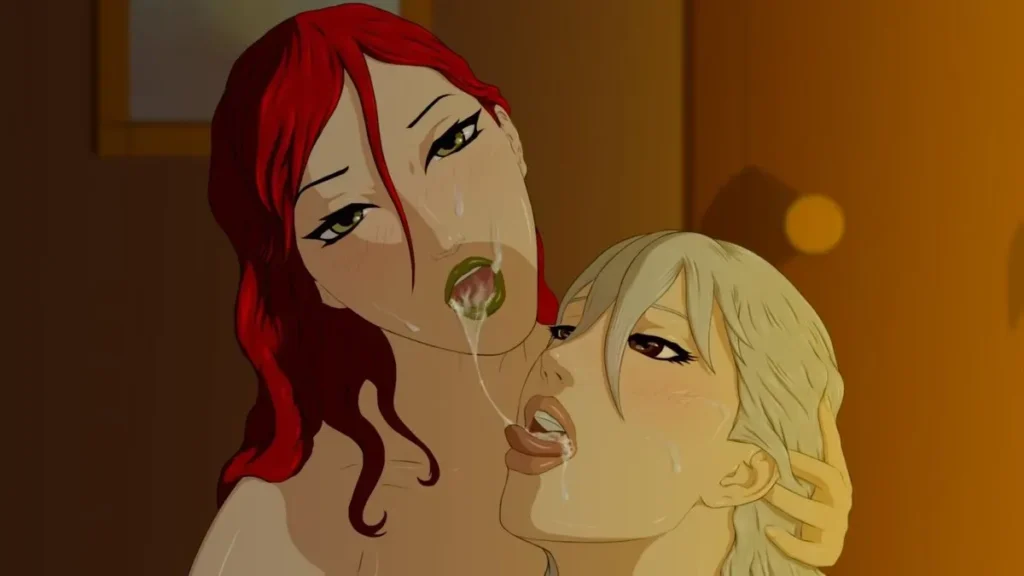
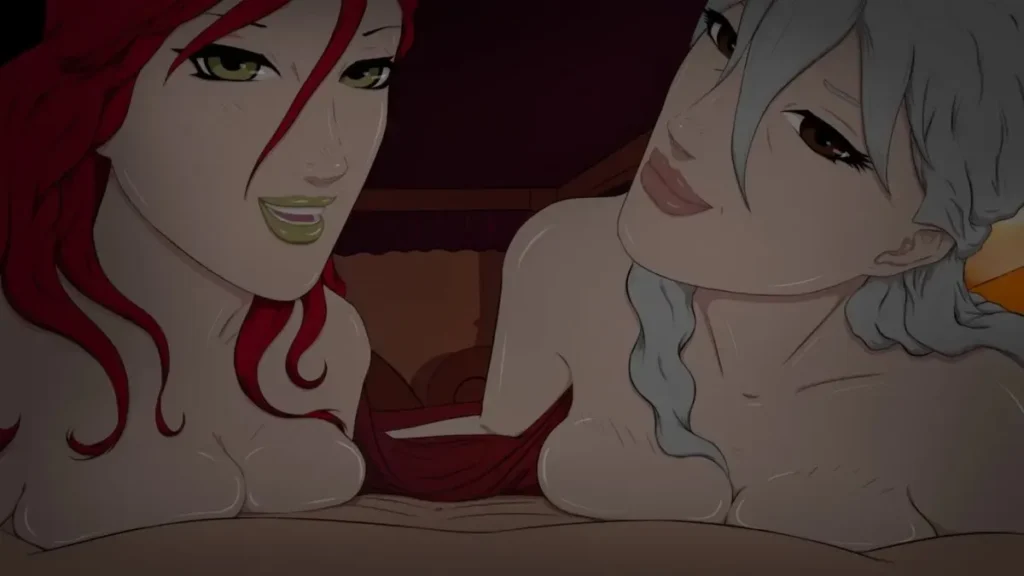
The Fate of Irnia review
Dive into a fantasy world where your decisions unlock romances, battles, and multiple endings
Imagine stepping into the lush kingdom of Irnia, where every choice you make ripples through a world on the brink of orc invasions. The Fate of Irnia isn’t just another visual novel—it’s a gripping adventure packed with meaningful decisions, deep relationships, and steamy romance routes that keep you coming back. I remember my first playthrough: inheriting a mysterious orb that whispered secrets, forging alliances, and stumbling into unexpected passions. Whether you’re a fan of branching narratives or craving those intimate moments, this game delivers replayability like no other. Let’s explore what makes The Fate of Irnia a must-play.
What Makes The Fate of Irnia’s Story and World So Addictive?
Let me tell you about the first time I truly understood the tension in The Fate of Irnia story. I was just exploring the sun-dappled markets of the elven district, listening to bard songs, when an old dwarf blacksmith suddenly stopped hammering. He looked to the mountains, his face grim. “The seasons turn,” he muttered to his apprentice. Nothing more. But that quiet dread, that unspoken calendar everyone shares—it hooked me instantly. This isn’t just a backdrop; it’s a clock ticking in every citizen’s heart. 🕰️
Welcome to the Irnia kingdom fantasy, a land where harmony between elves, dwarves, humans, and mages isn’t just an ideal—it’s a necessary pact for survival. For generations, the realm has thrived. But every twelve years, like a deadly tide, the orc invasion Irnia begins. Hordes pour from the blasted lands of Arworos, threatening to shatter the peace. This cyclical threat isn’t just a plot device; it’s the pulse of the entire world. Your story begins in the calm before that storm, and the weight of that impending conflict makes every sunny day feel poignant and every choice feel urgent.
So, what is The Fate of Irnia about? At its heart, it’s about legacy and agency. You play a young adult, living a quiet life with your mother and sister, shadowed by the heroic legacy of a father you never knew. Your coming-of-age gift? A mysterious locked box from him. When it finally opens at your adulthood ceremony, it doesn’t contain a sword or a shield. It holds something far stranger: a pulsating, ethereal magical orb inheritance. And this is where your ordinary life ends.
How the Orc Invasion Threat Shapes Irnia’s Destiny
The looming orc invasion Irnia faces is the engine of the game’s drama. It’s not a distant “maybe”; it’s a certainty. This creates a fascinating social pressure cooker. 🤯
On my first playthrough, I attended a royal council meeting early on. The elf ambassador advocated for pre-emptive strikes on orcish scouting parties. The dwarf lord, thinking of his mountainhold’s defenses, demanded more resources. The human chancellor worried about refugee movements. And the arcane mage… well, she seemed suspiciously detached. I had to choose who to support, and it wasn’t just about picking a dialogue option. It was about deciding which faction’s fear and strategy I validated. That single choice rippled out, affecting my standing with each race for hours afterward.
This ever-present threat means resources are strained, prejudices surface, and alliances are fragile. Do you focus on strengthening the capital’s walls, or do you send aid to outlying villages knowing they’ll be hit first? Every decision about where to go, who to help, and what to prioritize is filtered through the lens of the coming war. The orc invasion Irnia withstands depends on hundreds of these micro-decisions, making the world feel incredibly reactive and alive.
Unlocking Secrets with Your Inherited Magical Orb
Now, about that orb. This is no simple navigation tool. The magical orb inheritance from your father is sentient, cryptic, and possesses a subtle power to influence minds. It whispers to you, offering insights and… suggestions. It’s your most powerful, and morally ambiguous, tool.
“The guard hides a fear of the dark. A gentle nudge toward the light in your voice, and his suspicion will melt into trust. Shall we?…”
See? Chilling and incredibly useful. This mechanic lets you navigate social encounters in deeply intimate ways. Persuading a stubborn gatewarden isn’t just about a speech check; you can use the orb to gently soften his resolve, creating a unique advantage. But it comes at a cost. Overuse it, and characters might feel oddly drained around you, or the orb itself might start asking for favors in return. It blurs the line between diplomacy and manipulation, making every conversation a potential power play. 🔮
Exploring forgotten ruins isn’t just for loot. The orb can react to ancient magics, revealing hidden lore about previous invasions or unlocking sealed chambers that alter your understanding of the cycle of war. Your magical orb inheritance is the key to the deepest secrets of Irnia, and how you choose to wield its power fundamentally shapes your path and your relationships.
Why Player Choices Lead to Wildly Different Journeys
This is the core of the addiction: the genuine player choices consequences. The Fate of Irnia employs a branching narrative Irnia that puts most games to shame. There is no “illusion of choice.” Early on, I had to mediate a dispute between a farmer and a hunter accused of poaching. I could:
* Side with the farmer, securing food supplies for the capital.
* Side with the hunter, gaining the loyalty of the wilderness scouts.
* Use the orb to uncover the hunter was actually tracking an orc spy, altering the entire conflict.
* Or, pay the farmer off myself, depleting my personal funds but leaving both parties content.
I chose option three. Hours later, that hunter saved my life in an ambush and offered crucial intelligence on orc movements. On a replay, I sided with the farmer. The hunter was exiled, and I later found his body in the woods, a note blaming me—and I lost that vital intelligence. The game remembered, and the world state changed.
This branching narrative Irnia is a web, not a fork. Choices compound. To maximize immersion on your first playthrough, here’s my biggest tip: Prioritize dialogue options that build trust early. You cannot be friends with everyone, so pick a faction or a companion whose values resonate with you and invest in that relationship. The dividends paid later in unique quests, warnings, and aid are immense.
The player choices consequences can be staggering, affecting:
* Alliances: Will the dwarves shut their mountain gates, or fight alongside the elves?
* Location Fates: Entire villages can be saved, destroyed, or abandoned based on your priorities.
* Political Power: Who sits on the ruling council at the story’s climax can be completely reconfigured.
* The Final Confrontation: Who fights beside you, what weapons you have access to, and even the location of the final battle are all variable.
I obsessed over replaying to see the political shifts when I empowered the mages over the military. It was like playing a different game! This level of consequence creates unparalleled replay value. You’re not just replaying for a different ending slide; you’re replaying for a different middle and a different world.
To help visualize how deep this goes, here’s a glimpse at how major early-game decisions can branch your experience:
| Your Key Decision | Potential Mid-Game Consequence | Potential End-Game Impact |
|---|---|---|
| How you resolve the miner’s dispute in Stoneheart Depths | Dwarven troops are either readily available or demand heavy payment for aid. | Access to a secret underground path during the siege, or a harder, bloodier assault. |
| Whether you reveal a noble’s corruption or use the orb to blackmail them | The noble becomes a vengeful enemy or a puppet working for you from within the court. | They may betray you at a critical moment or use their resources to sabotage the enemy’s rear lines. |
| Which relic you recover from the Sunken Temple (you can only choose one) | You gain a powerful buff for yourself, a powerful buff for your entire party, or critical historical knowledge. | The knowledge may reveal a way to break the invasion cycle forever, a choice otherwise locked. |
And this brings us to the most delicious layer of all: the relationships. Every meaningful character has their own loyalty meter, preferences, and moral compass. Will your sharp-tongued elven scout open up to a compassionate leader or a ruthless pragmatist? Can you soothe the troubled heart of a dwarf warrior grieving his lost clan? The romances aren’t just checkboxes; they are intricate sub-stories that unlock only if your life choices and worldview align with your chosen partner’s. Trust me, the path to a certain cynical mage’s heart involves supporting magical research at every turn, while winning the loyalty of the stalwart human captain requires proving your commitment to the common folk above courtly politics. ❤️🔥
So, dive in. Let the tension of the invasion grip you, listen to the whispers of your orb, and know that every word matters. The Fate of Irnia story is waiting for you to write it—and trust me, you’ll want to write it again and again. Ready to see whose heart you might win (or break) along the way? That’s a story for another time…
The Fate of Irnia masterfully blends high-fantasy adventure with personal stakes, where your every decision crafts unique tales of alliances, rivalries, and passionate connections. From the orb’s cunning whispers to epic confrontations and diverse romance paths, it’s a game that rewards bold choices and multiple playthroughs. I can’t recommend diving in enough—grab it, experiment with different routes, and see how your story unfolds. What’s your first big decision going to be? Start playing today and shape Irnia’s destiny your way.