Twisted Memories
Play Twisted Memories
Twisted Memories Screenshots
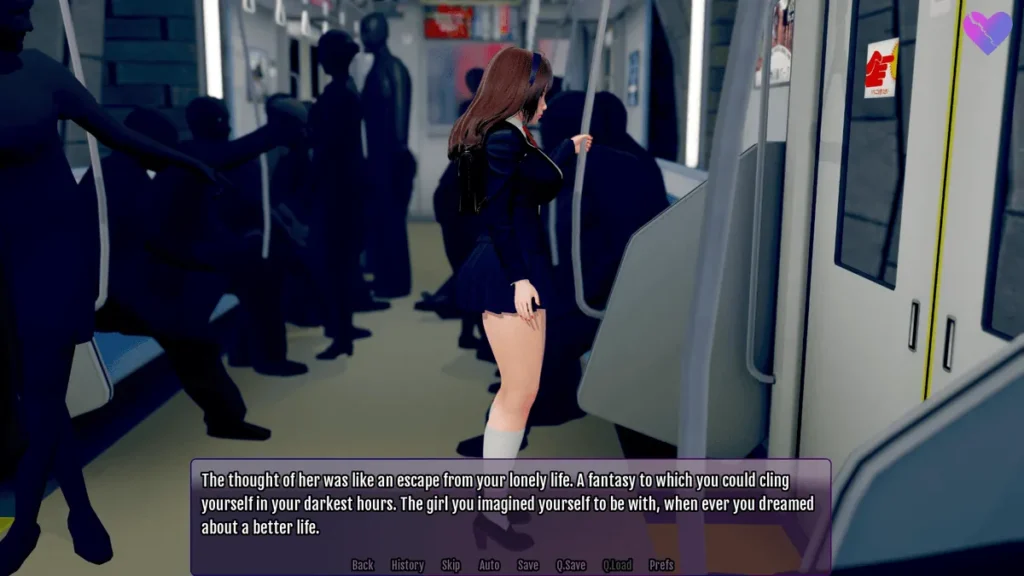

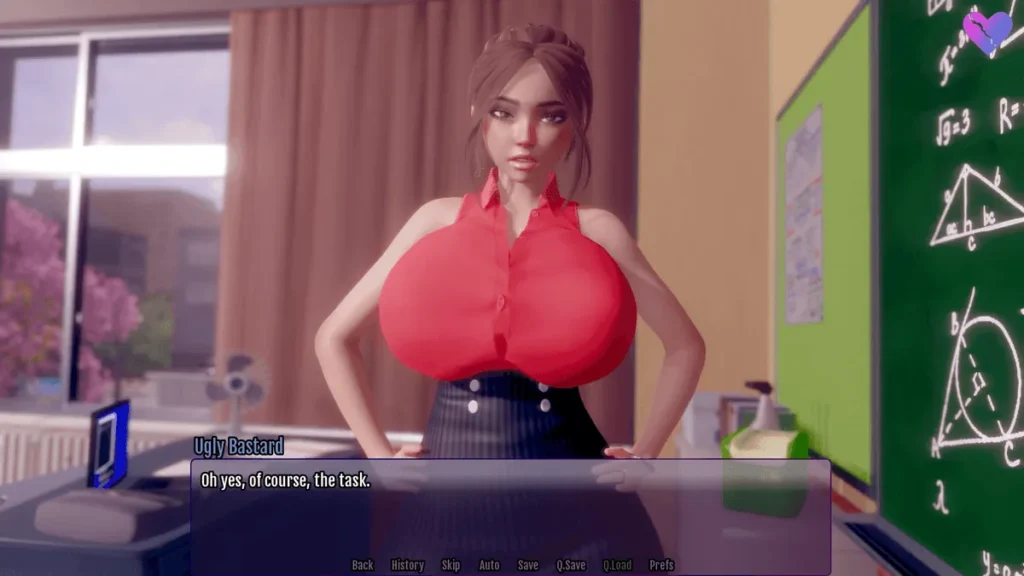
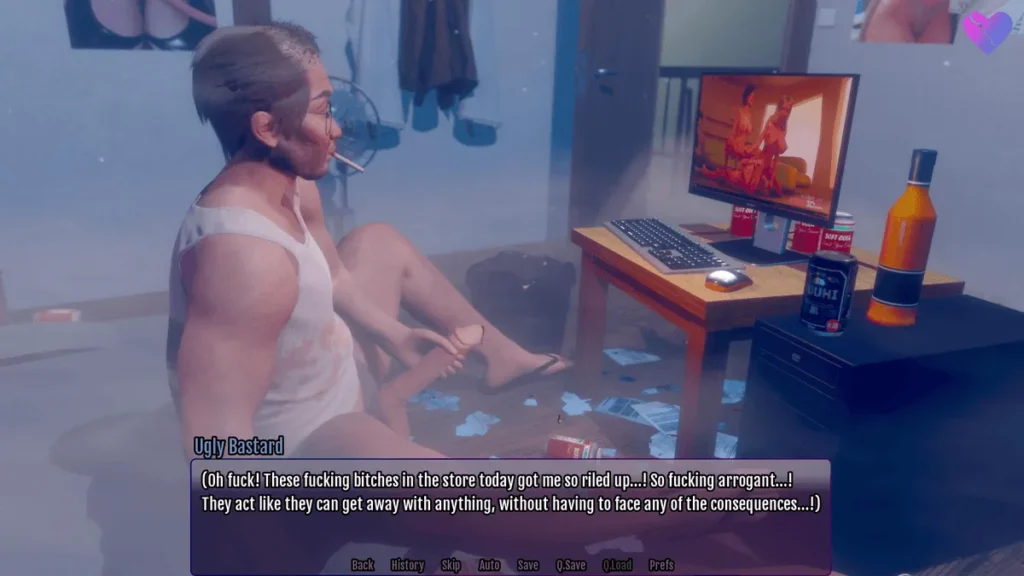
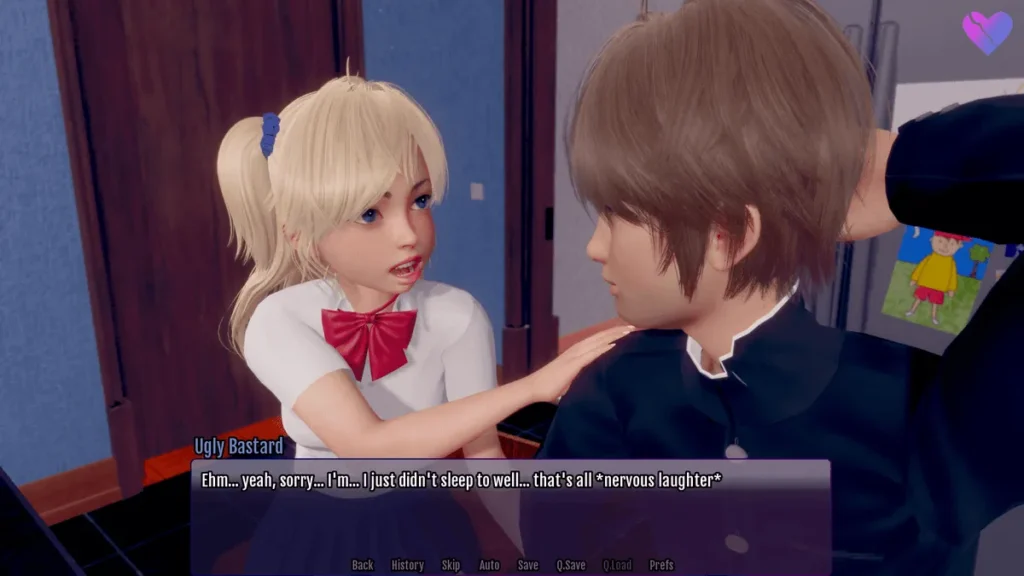
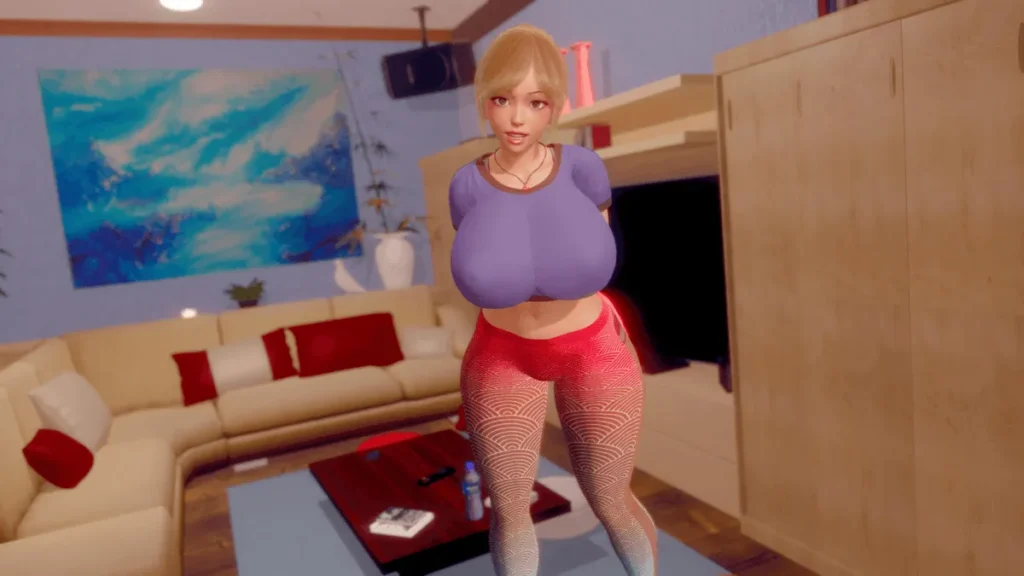
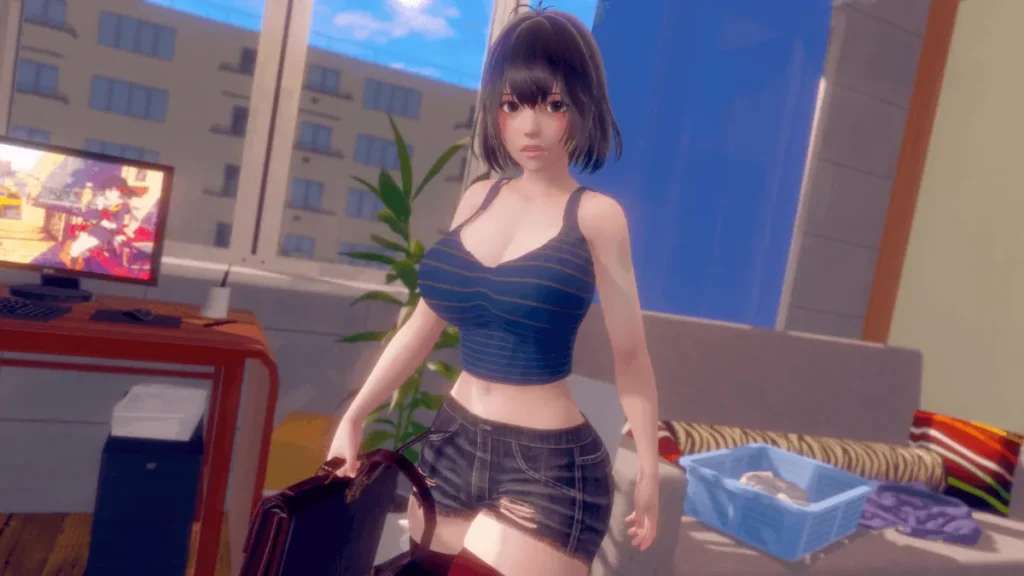
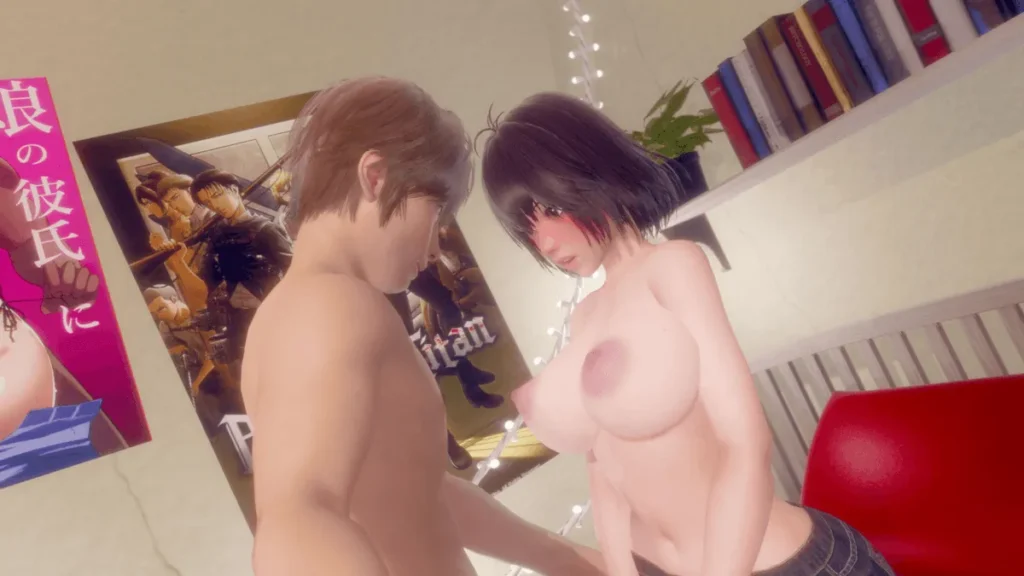
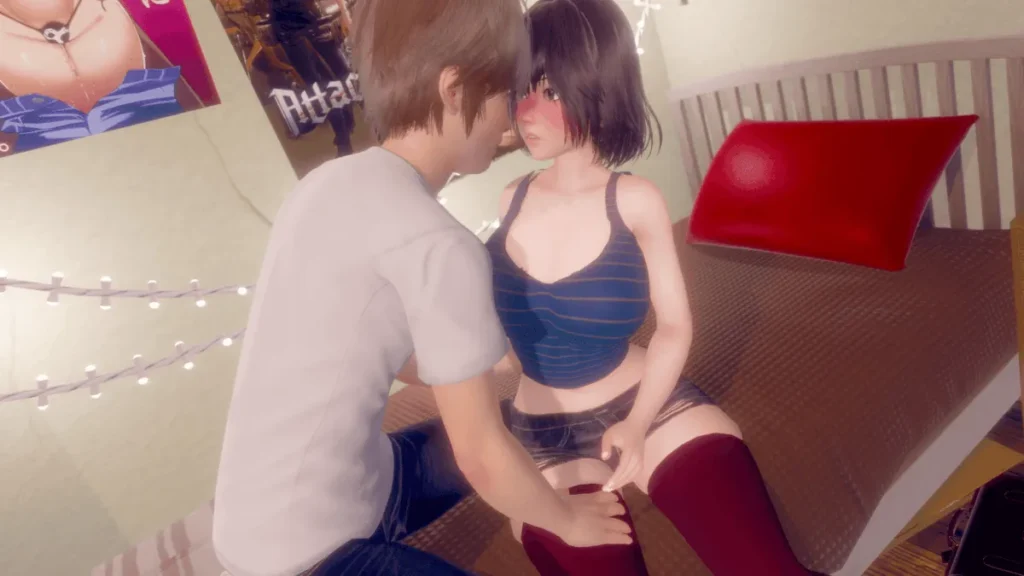

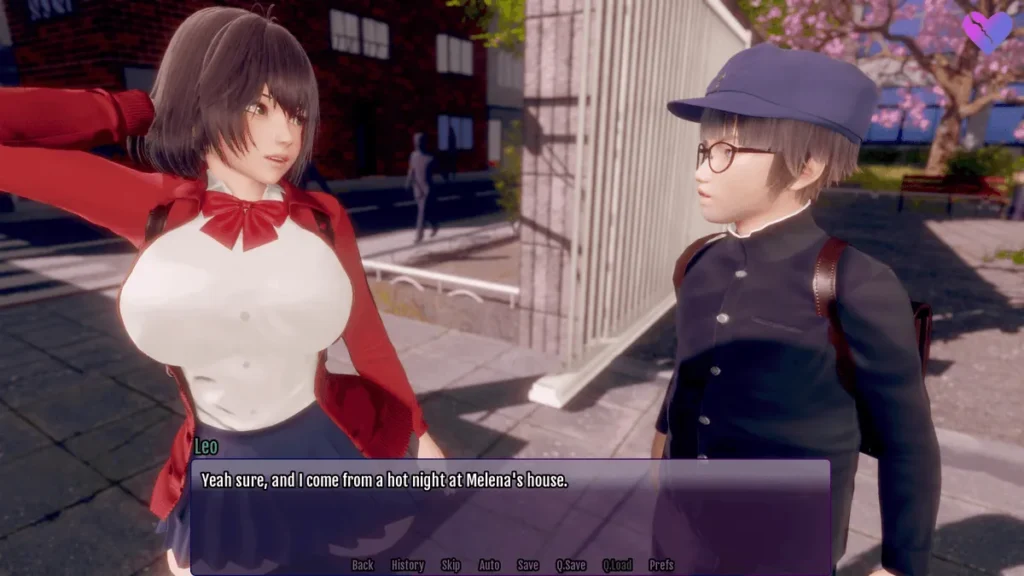
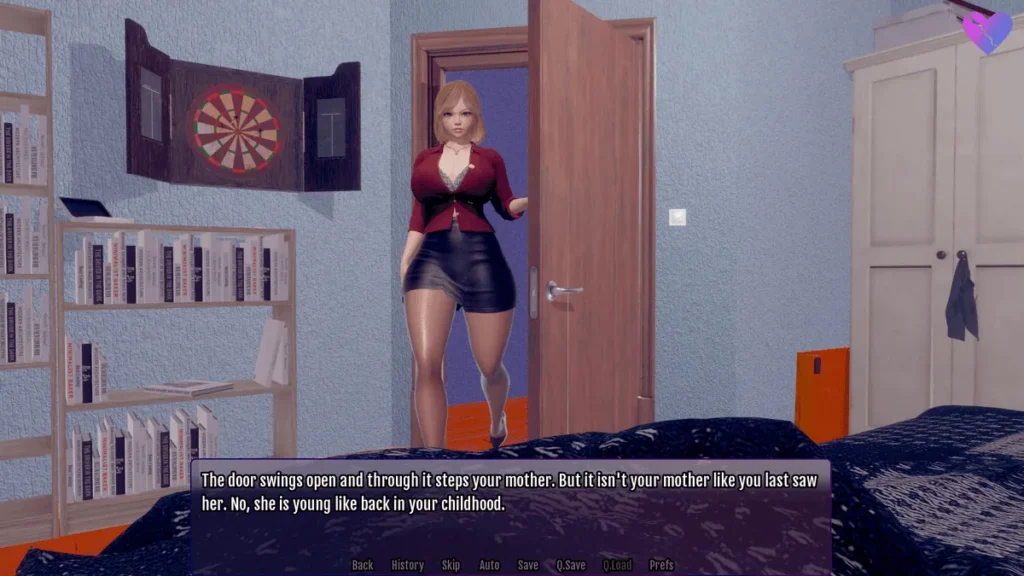
Twisted Memories review
Dive into the Time-Travel Seduction Saga
Imagine waking up as your teenage self, but with decades of bitterness and forbidden desires intact—that’s the gripping hook of Twisted Memories. This visual novel by BaiBai thrusts you into a provocative tale where an older, jaded man relives his youth with a twisted agenda: corrupting women from his past. I first stumbled upon it during a late-night scroll, and its raw psychological depth hooked me instantly. Whether you’re chasing harem routes or true love paths, this guide unpacks the Twisted Memories storyline, mechanics, and secrets to maximize your playthrough. Get ready for slow-burn tension, moral dilemmas, and steamy encounters that redefine revenge fantasies.
What Makes Twisted Memories So Addictive?
I remember the first time I downloaded Twisted Memories. I was just scrolling, looking for something with a bit more bite than the usual visual novel fare. The description was vague, but the comments… they were a mix of horrified fascination and genuine addiction. I took the plunge. Within an hour, my jaw was on the floor. 😳 This wasn’t a simple feel-good romance. This was a psychological demolition derby, and I was handed the keys to the most broken-down car in the lot. That initial shock, that uncomfortable, can’t-look-away feeling? That’s the secret sauce. Let’s break down what makes Twisted Memories so addictive.
Unpacking the Core Premise of Twisted Memories
So, what is Twisted Memories? At its heart, it’s a brutally honest time-travel fantasy stripped of any nobility. You don’t go back to save the world or right historical wrongs. You go back because your life is a total write-off. 😓
The Twisted Memories premise is this: you play as a man in his late thirties who has hit every branch on the way down the tree of life. No spouse, no children, a dead-end job, and a tiny apartment that smells of regret. One night, he passes out and wakes up… in his teenage bedroom. His adult mind, with all its bitterness, failures, and vivid memories, is now trapped in his younger body. This is the core of the Twisted Memories time travel mechanic—it’s not just the body that regresses, but a fully-formed, cynical psyche placed back into a world of untapped potential.
This setup is the ultimate power fantasy, but it’s coated in tar. The Twisted Memories plot isn’t about becoming a superhero; it’s about reclaiming a perceived stolen destiny. Your character looks at his past—the girls he was too timid to approach, the social standing he never had, the family dynamics he was powerless in—and sees a menu. Every memory of humiliation becomes a blueprint for manipulation. This creates a narrative tension that’s impossible to ignore. You’re simultaneously the underdog and the villain, and the game never lets you forget either side.
The Twisted Memories story explained simply is: a broken man gets a chance to rebuild his life, but he only has the tools of a broken man to do it with. He doesn’t seek therapy or personal growth; he seeks control, using the foreknowledge of an adult to engineer relationships and outcomes that feed his wounded ego. This includes navigating incredibly taboo territories, like re-engaging with family figures not as a son, but as a calculated manipulator seeking a different kind of power. It’s this moral freefall, this embrace of the ugly bastard Twisted Memories archetype taken to its psychological extreme, that forms the game’s compelling, dark heart.
Why the Protagonist’s Mindset Hooks You In
You don’t like the Twisted Memories protagonist. Let’s be clear. But you are horrifically compelled to understand him. The game’s genius lies in its extensive, unfiltered inner monologue. This isn’t a silent avatar for you to project onto; this is a specific, deeply flawed individual whose every thought is revealed.
As you click through scenes, his internal voice colors everything. A friendly smile from a classmate is dissected as pity or a potential weakness to exploit. A memory of past rejection floods the screen with visceral rage and elaborate fantasies of payback. The Twisted Memories protagonist is a masterclass in unreliable narration—he justifies every selfish thought, painting himself as the eternal victim of a world that owes him. And here’s the hook: part of you starts to follow his warped logic. You begin to see the world through his jaded lens, and the seduction isn’t of the characters on screen, but of you, the player, into his mindset.
This makes your choices feel dangerously personal. Are you making a “good” choice, or are you making the choice he would make? The addiction comes from sitting in that uncomfortable headspace, managing a psyche that is equal parts pathetic, terrifying, and strangely human in its failings.
| Protagonist Trait | Impact on the Twisted Memories Story |
|---|---|
| Jaded & Cynical | Colors every interaction with a layer of bitter nostalgia or calculated disdain, making genuine connection a player-driven challenge. |
| Manipulative | Transforms social links and dialogue choices into a strategic game of emotional leverage, driving the core gameplay loop. |
| Possessive & Entitled | Fuels the central conflict of the “redo,” creating motivation but also ensuring most paths are morally complicated. |
| Self-Loathing Masked as Rage | Provides depth to his cruel actions, making him more than a one-dimensional villain and adding psychological weight to the narrative. |
How Choices Shape Your Twisted Memories Journey
This isn’t an action game. It’s a slow-burn psychological simulator, and your power lies entirely in menus and text boxes. The Twisted Memories plot advances through a web of seemingly small decisions: who to sit with at lunch, what memory to casually “recall” to gain sympathy, which family member to engage with after school. ⏳
Each playthrough becomes a unique experiment. Will you use your future knowledge to build a vast, interconnected harem, playing characters against each other in a web of lies? Or will you focus on a single “target,” applying relentless psychological pressure to craft a specific, twisted version of love? The game supports both, and everything in between.
The beauty is in the consequences, which are often delayed and subtle. A choice in Week 2 might completely alter a character’s available dialogue tree in Week 8. This creates immense replay value. You’ll find yourself starting over, thinking, “What if I ignored her and focused on her friend instead?” or “What if I was kind in this specific moment, just to see how it breaks the pattern?”
Pro Tip: Embrace the discomfort. The narrative has the most power when you lean into the protagonist’s darker impulses at least once. Save often in different slots to create branches you can return to.
Here’s a sample dilemma that had me staring at the screen for five minutes: Early on, your character’s mother is stressed about money. Your adult mind knows a specific stock tip that could solve everything. The “good son” path is to guide her to it subtly. But the protagonist’s mind offers another option: withhold the information, let her anxiety grow, and then position yourself as her sole emotional confidant and problem-solver, deepening dependence in a deeply unhealthy way. Both choices radically alter that relationship path. There is no “right” answer, only narrative consequences.
- Lean Into the Role-Play: Don’t make choices you would make. Make choices he would make. See where that dark path leads. It’s often where the most compelling writing is.
- Specialize Your Run: On a first playthrough, try focusing your attention on one or two core characters. The depth of branching paths you’ll uncover is much greater than spreading yourself too thin.
- Read the Monologue: The inner thoughts are not flavor text. They are crucial for understanding his motivations and predicting how future choices will be internally justified, which affects your narrative control.
- Save Strategically: Before every significant interaction, save. The game is about exploring consequences, so give yourself the freedom to backtrack and try the other morally-grey option.
This constant, weighty decision-making is why people lose hours to Twisted Memories. It’s a game that trusts you to handle its darkness and rewards you with a story that feels personally, and often uncomfortably, crafted. The Twisted Memories story explained through your choices is always unique, making your journey feel singularly yours—for better or worse.
The Twisted Memories premise sets a deadly trap, the Twisted Memories protagonist ensnares your curiosity, and your choices seal the addiction. It’s a masterful, disturbing loop. But a story is only as good as its characters, and in the next chapter, we’ll meet the fascinating women and figures who become the targets—and sometimes the architects—of this twisted journey. Get ready to dive into the gallery of faces that define this seduction saga. 😈
Twisted Memories stands out as a bold visual novel that blends time-travel intrigue with deep psychological exploration and player-driven seduction paths. From the protagonist’s vengeful mindset to branching harem or romance options, it delivers discomforting thrills and replay value through smart choices. My own dives into its slow-burn narrative revealed layers of regret and desire that linger long after. If you’re ready to corrupt the past or seek redemption, download the latest version now and start your journey. Share your wildest routes in the comments—what path did you take?