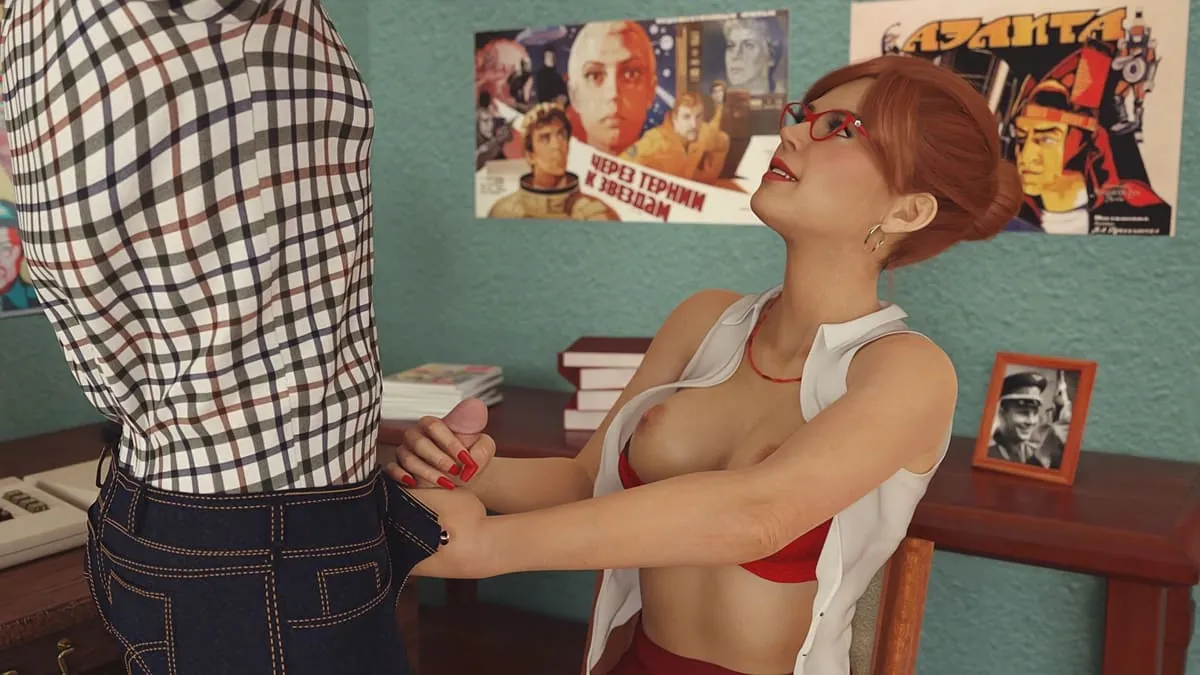
RSSU – Retro Style Soviet Undies – Case#1 Ithaca Project
Play RSSU – Retro Style Soviet Undies – Case#1 Ithaca Project
RSSU – Retro Style Soviet Undies – Case#1 Ithaca Project Screenshots
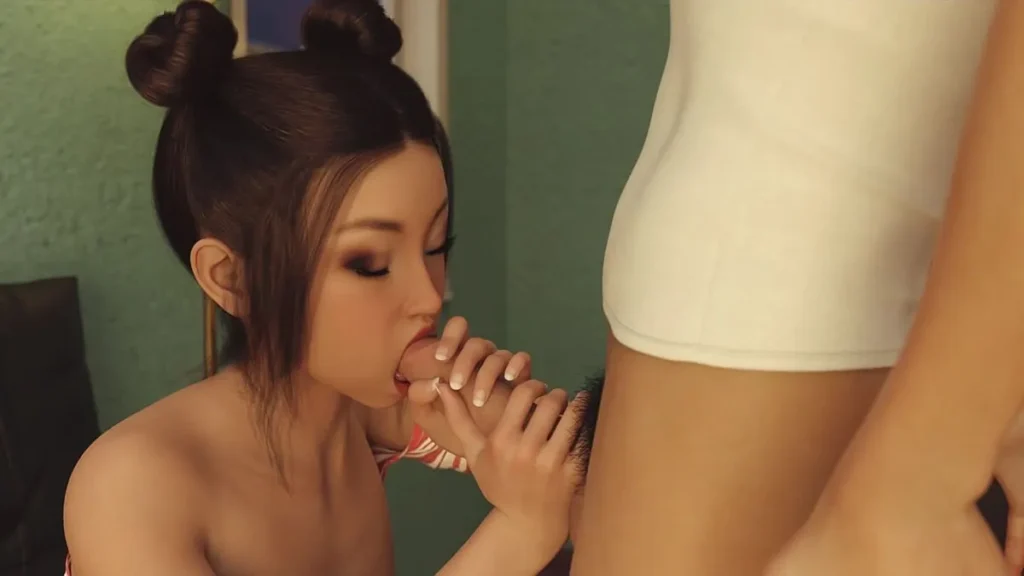
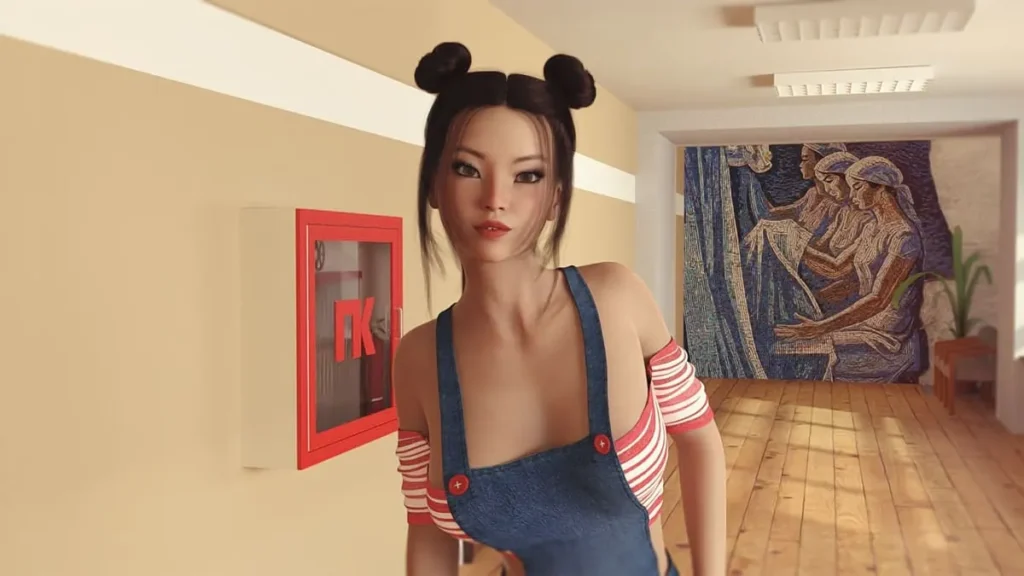
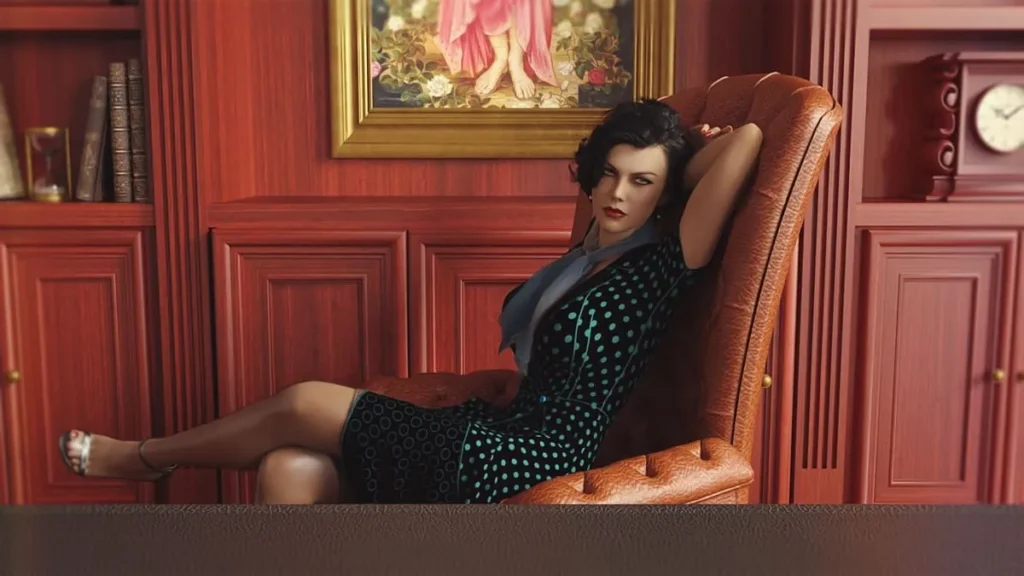
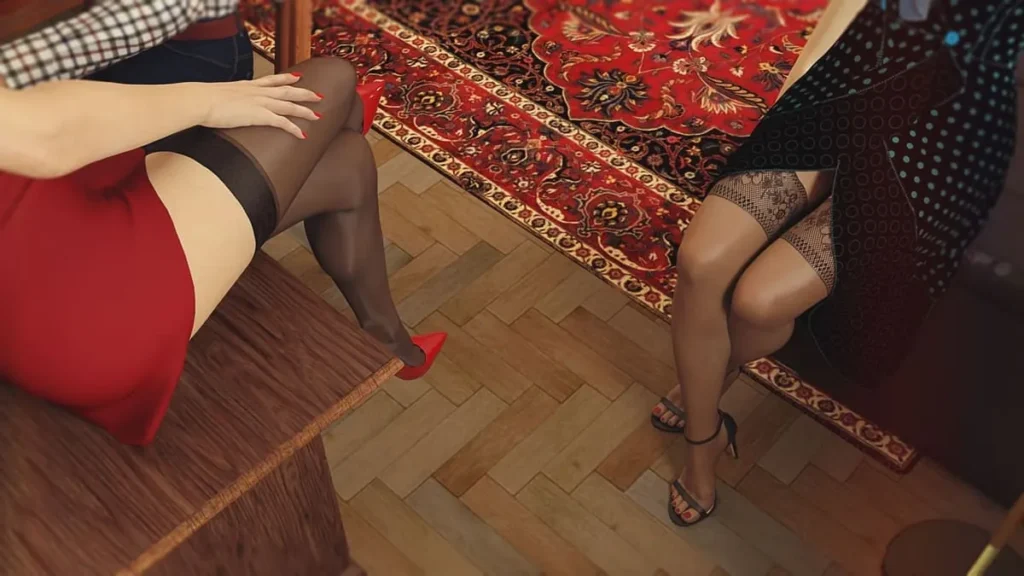
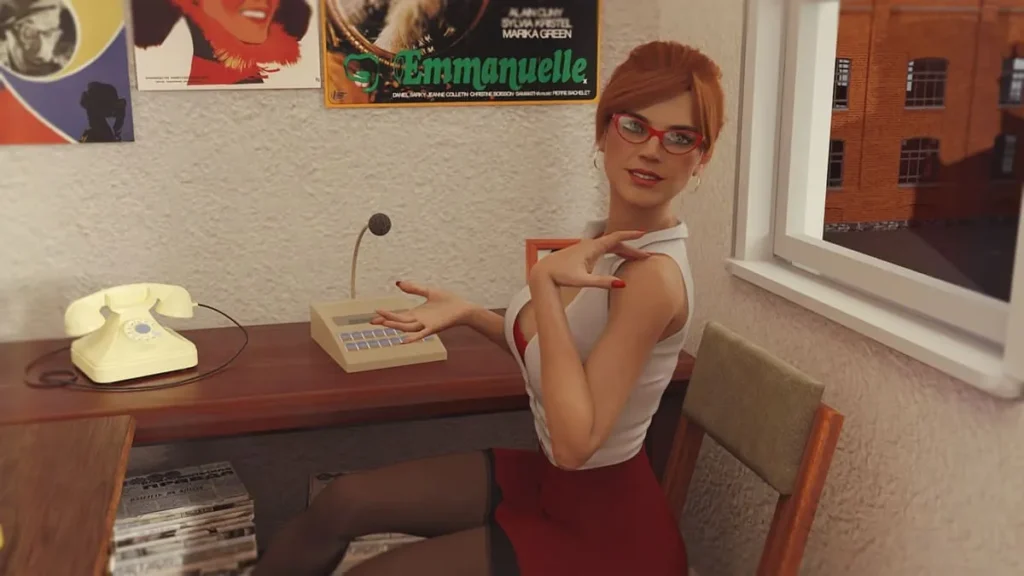

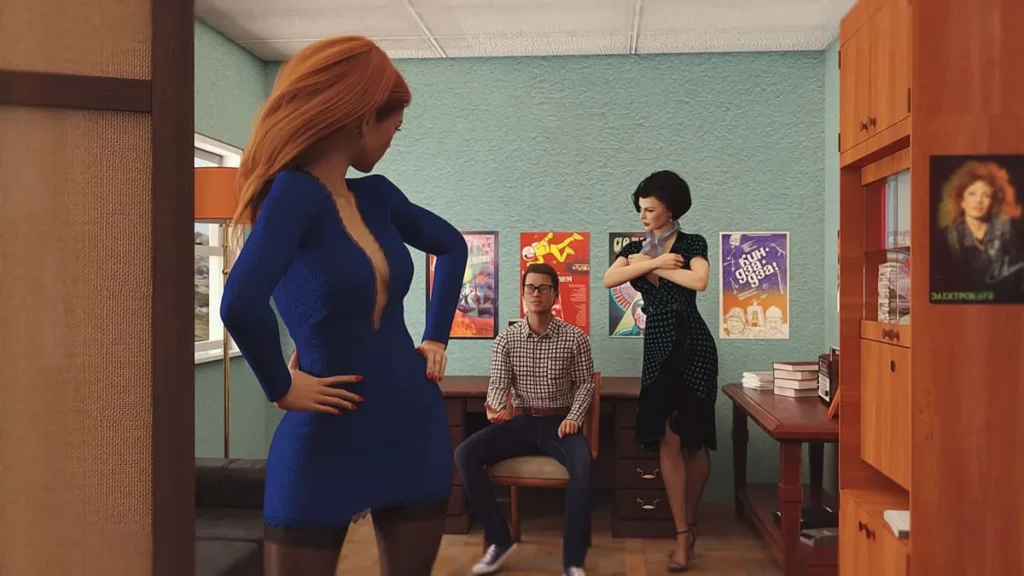
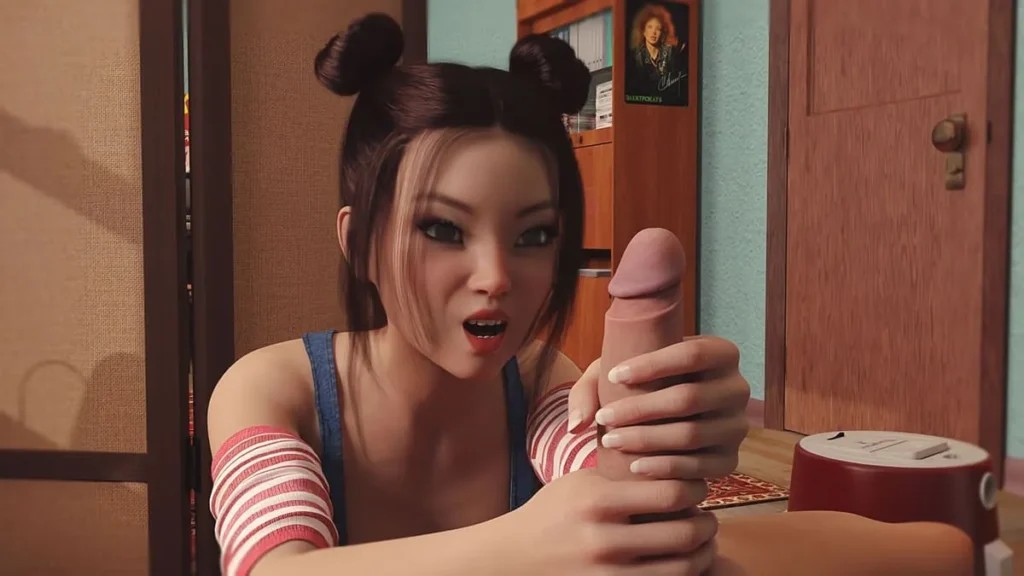
RSSU – Retro Style Soviet Undies – Case#1 Ithaca Project review
Exploring the immersive visual novel experience set in late 1980s Soviet Union
RSSU – Retro Style Soviet Undies – Case#1 Ithaca Project stands out as a distinctive visual novel that transports players to the late 1980s Soviet Union. Developed by ErosAmor, this narrative-driven game combines historical atmosphere with engaging storytelling, centered around protagonist Artem’s unexpected journey from a mundane garment factory job to extraordinary adventures. The game masterfully blends retro Soviet culture with interactive gameplay, offering players a unique blend of nostalgic atmosphere, period-accurate details, and compelling character interactions that capture the essence of the era while delivering an entertaining and immersive experience.
Immersing Yourself in the 1980s Soviet Setting
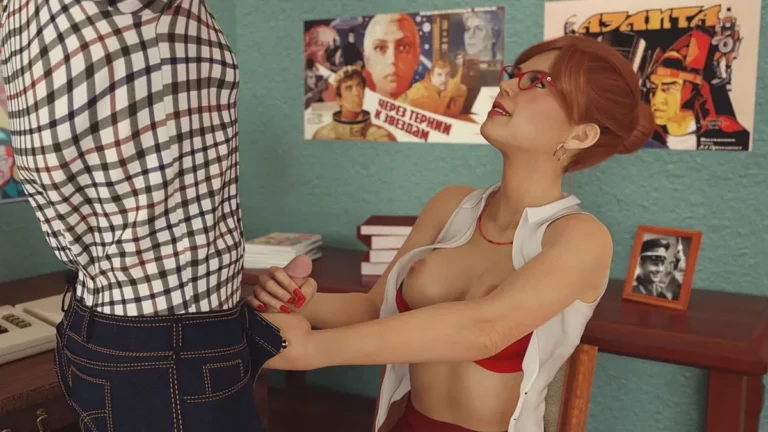
Picture this: you’re not just clicking through dialogue boxes; you’re stepping out of a rattling elektrichka train into the crisp, pre-dawn air of a Moscow suburb. The smell of coal dust and cheap tobacco hangs faintly. A monolithic, concrete apartment block—a khrushchyovka—looms ahead, its windows glowing with the weak yellow light of early risers. This isn’t just a backdrop; it’s the 1980s USSR setting of RSSU – Retro Style Soviet Undies – Case#1 Ithaca Project, and it demands to be lived in, not just seen. 🚂
The genius of this Soviet visual novel setting isn’t in grand historical pronouncements, but in the quiet, accumulated weight of a thousand perfect details. It understands that immersion is built from the ground up—from the pattern on a headscarf to the specific squeak of a communal stairwell door. This chapter is your guide to that world. We’ll explore why this specific moment in time is so compelling, unpack the layers of its retro Soviet atmosphere, and take a walking tour of its heart: the Maryino Moscow region.
What Makes the Late 1980s USSR Setting Unique?
Choosing the late 1980s Soviet Union is a masterstroke of narrative design. This isn’t the Stalinist terror of the 1930s or the stark wartime 40s. It’s the weary, paradoxical tail end of the Brezhnev-era setting—a period often called the “Era of Stagnation,” but one buzzing with underground energy. 🕰️
The state façade is still firmly in place. You’ll see the propaganda posters, hear the official news reports, and feel the bureaucratic inertia in every queue. But beneath that surface, something is stirring. Western music is copied onto bootleg cassettes, jeans are the ultimate currency of cool, and a sense of vague expectancy—or perhaps exhaustion—permeates everything. This tension between the official reality and the lived experience is where RSSU – Retro Style Soviet Undies – Case#1 Ithaca Project plants its flag.
It’s a setting ripe with inherent drama and dark humor. The gap between ideological promise and mundane reality creates a unique space for storytelling. Your character navigates a world where you might debate philosophy in a cramped kitchen one moment and then spend an hour trying to find a roll of decent toilet paper the next. This late 1980s Soviet Union is familiar in its daily struggles, yet profoundly foreign in its social and political textures, making every discovery feel meaningful.
Tip from a Veteran Player: Don’t rush the dialogue. The real gems of this world are in the offhand comments about “deficit” (shortage), the jokes about the leadership, and the wistful mentions of things just out of reach. Listen like a local.
Atmospheric Details That Bring the Era to Life
This is where the Soviet visual novel setting truly becomes magic. The developers haven’t just created a world; they’ve painstakingly reconstructed a sensory memory. The retro Soviet atmosphere isn’t a filter you apply—it’s the very air the characters breathe. Let’s break down the key elements you’ll live with:
- Architecture: The soul-crushing yet oddly comforting uniformity of the panelki (prefabricated apartment blocks). The vast, echoing courtyards with their broken sandboxes and single swing. The dimly lit podyezd (entryway) smelling of cat, damp concrete, and decades of living.
- Everyday Objects: This is the heart of period-accurate Soviet details. We’re talking vertushka rotary phones, bulky Elektronika TVs, glass milk bottles with foil caps, and the iconic string bag—the avoska—always ready in a babushka’s pocket.
- Fashion Items: A visual dictionary of late-Soviet style. Track suits for casual wear, those distinctive East German Vita jeans, practical headscarves (platoks) tied under the chin, and the ever-present leather jackets for the slightly cooler crowd.
- Cultural References: The specific brand of humor, the music from Vesyolye Rebyata (Happy Guys) to underground rock, the films on TV, and the ever-present background noise of Radio Mayak.
The visual aesthetic is a character itself. The color palette isn’t just muted; it’s faded, like a photo album left in the sun. Yellows are mustardy, blues are washed-out, and reds are closer to rust. It’s punctuated by the jarring, cheerful brightness of a chebureshna (chebureki stand) or a new propaganda mural. 👨🎨
Sound completes the illusion. The soundtrack is a gorgeous mix of melancholic synth melodies that feel both futuristic and dated—perfect for the era. Ambient sounds sell the place: the distant whistle of a factory, the buzz of a faulty fluorescent light in a shop, the chaotic symphony of a obshchaya kukhnya (communal kitchen) in the morning.
Here’s how some of these period-accurate Soviet details map from history to the game:
| Real 1980s USSR Element | Its Representation in RSSU | Atmospheric Purpose |
|---|---|---|
| GUM Department Store (Moscow) | Maryino Central Mall | Represents the “vitrine of socialism”—a place of promised plenty that often feels hollow, serving as a key social hub and backdrop for exchanges. |
| Ubiquitous Soviet mesh bags (avoska) | Visual props in kitchens, on characters, in shops | Symbolizes the “just in case” mentality of navigating a shortage economy. It’s a tiny, everyday testament to a specific way of life. |
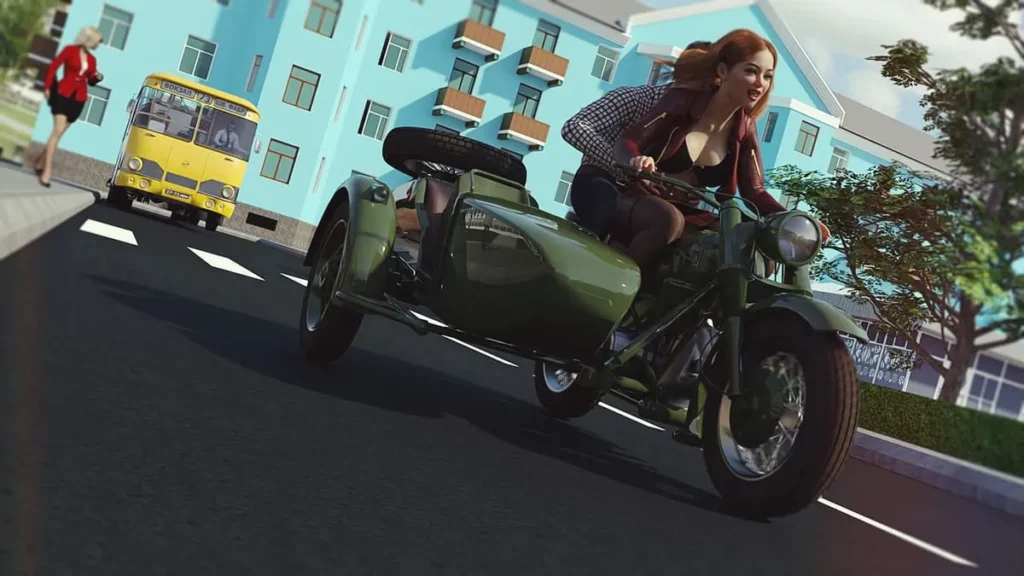
| Zhiguli (Lada) cars, specifically the VAZ-2106 “Shestyorka” | Parked in courtyards, driving down streets | More than transport; it’s a status symbol, a source of constant repair woes, and a instantly recognizable silhouette that grounds the scene in the era. |
Exploring Maryino: The Heart of the Game’s World
Forget Red Square. The true late 1980s Soviet Union was experienced in places like Maryino Moscow region. This residential massif (mikrorayon) is the perfect stage. It’s a self-contained universe of crumbling idealism and vibrant community, a Brezhnev-era setting made concrete—literally. 🏘️
Maryino Moscow region in the game is a love letter to these dormitory districts. It has everything within its concrete embrace: the standardised school, the polyclinic, the Dom Byta (House of Services) where you get your shoes fixed, and the central square with its obligatory Lenin statue. Your journey will take you from the familiar chaos of your apartment block to the slightly more cosmopolitan (but still decidedly Soviet) feel of the Maryino Central Mall.
This mall is a brilliant reimagining of the iconic GUM. It has the grand, glass-roofed arcade feel, but the stores inside tell a different story. Instead of luxurious showcases, you have Gastronom №1 with its limited selection, a bookstore with piles of identical political pamphlets, and maybe a Fotoatsiya booth for passport pictures. It’s here that the game’s cultural humor shines brightest—the irony of such grand architecture housing such mundane (and often understocked) commerce is never lost.
Exploring Maryino is about learning its rhythms. The early morning rush at the bulochnaya (bread shop), the old men playing dominoes in the courtyard all afternoon, the evening promenade of teenagers near the bus stop. The retro Soviet atmosphere here is thickest in these everyday rituals. You’ll learn that the kiosk by the metro has the best pirozhki, that a certain bench has the least pigeon droppings, and which stairwell the local drunks prefer.
This location is far more than scenery. It functions as a living, breathing character. The setting challenges you, comforts you, and reveals itself slowly. The worn-out bench in the yard holds stories. The graffiti in the elevator shaft is a silent protest. The always-broken light on the fifth-floor landing is a shared, unspoken grievance for the entire building. This is how RSSU – Retro Style Soviet Undies – Case#1 Ithaca Project turns a 1980s USSR setting into a home—flawed, familiar, and utterly unforgettable. By mastering its details, you don’t just solve a case; you learn to navigate a vanished world, one perfectly rendered, period-accurate step at a time.
RSSU – Retro Style Soviet Undies – Case#1 Ithaca Project represents a compelling entry in the visual novel genre that successfully captures the essence of late 1980s Soviet culture while delivering an engaging and entertaining narrative experience. Through its meticulous attention to historical detail, immersive atmospheric design, and compelling character-driven storytelling, the game transports players to Maryino in the Moscow region, where protagonist Artem’s ordinary job becomes the gateway to extraordinary adventures. The game’s distinctive retro aesthetic, combined with its thoughtful approach to Soviet history and culture, creates an experience that resonates with players seeking something genuinely different from conventional visual novel offerings. Whether you’re drawn to retro gaming aesthetics, historical settings, or simply engaging interactive narratives, RSSU offers a unique journey that celebrates 1980s Soviet life while maintaining entertainment value and player agency. Discover why this game has earned strong community reception and consider experiencing the immersive world of RSSU for yourself.