
Project Myriam – Life and Explorations
Play Project Myriam – Life and Explorations
Project Myriam – Life and Explorations Screenshots






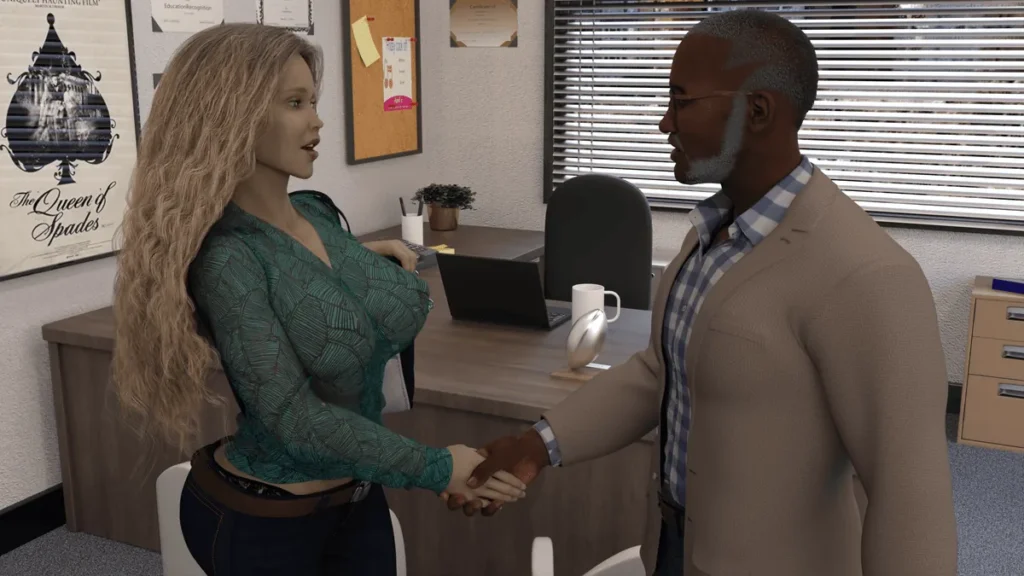

















Project Myriam – Life and Explorations review
Explore the narrative, choices, and immersive world of Project Myriam – Life and Explorations
Welcome to Project Myriam – Life and Explorations, an immersive life simulation and narrative RPG that challenges your decision-making and moral compass. In this game, you are the architect of Myriam’s destiny, guiding her through a dramatic shift in life as she moves to a new city and leaves behind a sheltered existence. Will she embrace independence, explore repressed desires, and venture into new opportunities, or will she slip back into the comfort of a subservient life? Your choices determine whether she follows the advice of good people or gets manipulated by evil ones. This article dives deep into the gameplay mechanics, branching storylines, and key moments that define Project Myriam – Life and Explorations, offering insights for players eager to master Myriam’s journey.
Understanding the Core Gameplay and Narrative Structure
How Interactive Dialogue Shapes Myriam’s Destiny
Imagine sitting across from a character who looks you in the eye and waits for your response, knowing that your next words will alter everything. That’s the heart of the interactive dialogue Project Myriam offers. Every conversation is a quiet battlefield where you decide how she reacts, what she believes, and who she becomes. 🗣️
The game doesn’t give you obvious good-versus-evil choices. Instead, it asks you to navigate messy, human situations. One early moment that stuck with me happens at Myriam’s office. She catches a glimpse of her husband’s car near the building, but he’s supposed to be at work across town. You face a classic dilemma: confront him directly, pretend you saw nothing, or test the waters with a subtle question. Your decision ripples outward, affecting how Myriam views trust and whether she begins to investigate further.
“A single line of dialogue can turn suspicion into certainty, or doubt into denial.”
Later, you’re confronted with the office cheating incident, a pivotal scenario where you discover evidence suggesting her husband has been unfaithful. A co-worker shows you a photo. Your choice to believe the evidence or dismiss it as a misunderstanding isn’t just about that moment — it reshapes Myriam’s entire worldview. Choose to believe, and she becomes more guarded, exploring stories of betrayal in her surroundings. Choose to dismiss, and she retreats back into comfort, reinforcing her role in the relationship. This single decision is a masterclass in how scene unlocks Project Myriam work: one path opens up hidden locations and secret conversations, while the other keeps the familiar routines intact.
Branching Storylines: Independence vs. Submission
As you play, you’ll realize that the narrative splits into two major rivers. The Independent Story vs Husband Story isn’t about picking a side at the start — it emerges organically from your dialogue choices, reactions to events, and how you spend Myriam’s time. 🌊
In the Independent Story, Myriam starts questioning her dependence on her husband. She takes risks, explores new friendships, and leans into desires she’s ignored for years. This path feels liberating but lonely. You’ll unlock scenes in nightclubs, art galleries, and secret rendezvous points that offer freedom but carry their own consequences.
The Husband Story, by contrast, keeps her tethered. She trusts her partner despite warning signs, deflects suspicions, and prioritizes maintaining the marriage over personal growth. This route is quieter, filled with domestic scenes, phone calls, and small gestures of reassurance. But it also means missing out on deeper revelations about her husband’s activities.
Here’s a direct comparison to help you understand the trade-offs:
| Aspect | Independent Story | Husband Story |
|---|---|---|
| Core Focus | Self-discovery and personal freedom | Preserving the relationship and trust |
| Key Choices | Confront suspicions, explore new connections, prioritize your needs | Ignore signs, seek reassurance, prioritize his needs |
| Narrative Outcome | Myriam becomes her own person, sometimes at the cost of the marriage | Myriam remains loyal, sometimes at the cost of her own identity |
| Character Dynamics | Friendships deepen, enemies become clearer, power shifts | Relationships stay static, tension builds silently, power stays unequal |
What makes this system so compelling is that you often don’t realize which story you’re on until several hours in. That’s where the moral compass Project Myriam becomes your guide. You’re constantly weighing empathy against self-preservation. Is it better to protect her heart or open her eyes? The game never judges — it simply reflects your choices back to you through the unfolding world.
Key Mechanics That Drive Scene Unlocks
So how do you actually access new locations, conversations, and events? The answer lies in a simple but layered system: your dialogue decisions and situational management directly determine what becomes available. 📂
Think of Myriam’s daily life as a resource. She has limited energy, limited time, and limited emotional bandwidth. Where you direct these resources matters. If you choose to spend an afternoon investigating your husband’s phone instead of having coffee with a friend, you might unlock a crucial scene at his office building. Ignore the phone, and that location stays greyed out.
The game tracks a hidden set of variables, including “Trust,” “Suspicion,” “Curiosity,” and “Submission.” Every time you make a choice that aligns with independence, the Curiosity bar fills. When that bar reaches a threshold, a new scene unlocks — perhaps a chance encounter with a mysterious stranger who offers Myriam a different perspective on relationships. Conversely, high Submission keeps the door to obedience open, unlocking scenes where Myriam seeks forgiveness or pledges loyalty.
One specific mechanic I love is the “trigger event” system. Certain conversations only appear if you’ve visited specific locations or spoken to specific characters in a certain order. For example, you won’t encounter the key confrontation with the husband’s mistress unless you’ve previously chosen to follow him after work. This means the Myriam destiny architect is truly you — every scene is placed deliberately based on your past actions.
You also face situational management challenges. Myriam might receive a text while at dinner with friends. Do you excuse yourself to read it immediately, risking awkwardness, or wait until later, risking missing a time-sensitive reaction? These small moments add up, creating a web of outcomes that feels uniquely personal.
Ultimately, Project Myriam – Life and Explorations gameplay rewards patience and attentiveness. You’re not just clicking through dialogue trees — you’re constructing a story that belongs to you. Whether you guide her toward liberation or loyalty, every decision carries weight, and the world responds accordingly.
Project Myriam – Life and Explorations offers a rich, interactive experience where your choices define Myriam’s journey from a sheltered life to independence or submission. Through immersive dialogue, branching storylines, and strategic decision-making, players shape her destiny, unlock unique scenes, and navigate complex moral challenges. Whether you guide her toward freedom and self-discovery or back into comfort and submission, every path is filled with meaningful consequences. Ready to take control of Myriam’s story? Download Project Myriam – Life and Explorations today and start crafting your own narrative adventure.