
A Summer’s End – Hong Kong, 1986
Play A Summer’s End – Hong Kong, 1986
A Summer’s End – Hong Kong, 1986 Screenshots







A Summer’s End – Hong Kong, 1986 review
Discover the heartfelt queer story of Michelle and Sam in vibrant 1986 Hong Kong
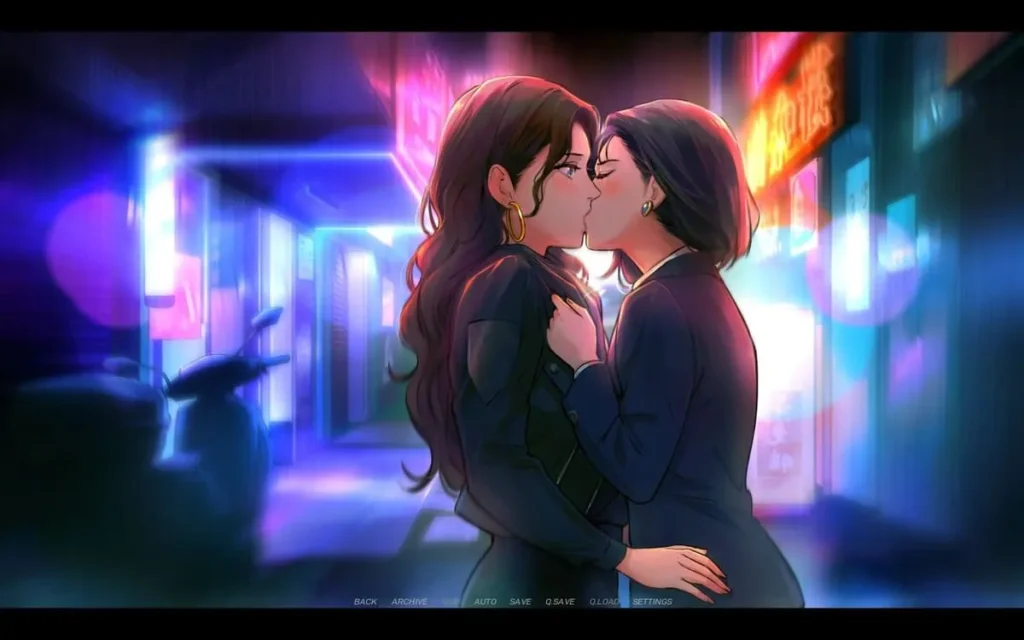
A Summer’s End – Hong Kong 1986 is a beautifully crafted visual novel that tells the story of Michelle and Sam, two women whose chance meeting blossoms into a deep romantic relationship. Set against the vibrant backdrop of Hong Kong in 1986, just before the city’s handover to China, this indie game from Oracle and Bone captures the essence of love, identity, and cultural collision. Unlike misleading labels suggesting it’s a porn game, A Summer’s End – Hong Kong 1986 is a thoughtful, narrative-driven experience inspired by 80s anime and Hong Kong cinema. Whether you’re drawn to its retro aesthetic, heartfelt story, or queer romance, this game offers an unforgettable journey through a pivotal moment in history.
The Story and Characters of A Summer’s End – Hong Kong 1986
If you’ve ever felt like life is just a series of routines—wake up, work, sleep, repeat—then you’ll instantly connect with the world of A Summer’s End – Hong Kong 1986. This isn’t just any queer romance visual novel; it’s a heartfelt dive into the lives of two women whose paths collide in the most unexpected way. The A Summer’s End – Hong Kong 1986 story unfolds like a gentle breeze on a humid afternoon, pulling you into a narrative that feels both nostalgic and refreshingly authentic. And trust me, the first time I played through it, I nearly missed my own bus stop because I was so absorbed in their world.
Who Are Michelle and Sam in A Summer’s End – Hong Kong 1986?
Meet Michelle Cheung—she’s the embodiment of discipline in a perfectly pressed blazer. A workaholic office executive, Michelle lives by the clock, surrounded by papers and deadlines. Her life is clean, orderly, and frankly a little lonely. Then there’s Sam Wong, who owns a small video rental store and operates on what looks like chaos but is actually pure creative energy. Sam has long hair, a laid-back smile, and a habit of taking life one easy moment at a time. She runs her shop with the kind of joy that makes you want to drop everything and browse VHS tapes for hours. The contrast between these two forms the core of the Michelle and Sam characters—they’re like yin and yang, and watching them dance around each other is pure magic.
To help you see the contrast more clearly, here’s a quick breakdown of their lifestyles and personalities:
| Aspect | Michelle Cheung | Sam Wong |
|---|---|---|
| Lifestyle | Structured, corporate, repetitive | Free-flowing, independent, playful |
| Personality | Reserved, ambitious, guilt-ridden | Outgoing, empathetic, adventurous |
| Role in Story | Seeks permission to be herself | Encourages Michelle to let go |
Sam’s video store isn’t just a business—it’s a sanctuary of old movies, questionable snacks, and the kind of warmth that makes you feel seen. Michelle’s office, on the other hand, feels sterile and imposing. These aren’t just job descriptions; they’re reflections of inner worlds. The Michelle and Sam characters are so well-crafted that you’ll feel every ounce of Michelle’s hesitation and every flicker of hope in Sam’s eyes. 🌸
How Does the Chance Meeting Shape Their Relationship?
The inciting incident is almost too mundane to be romantic—a snapped heel. Michelle is walking through the bustling streets of Mong Kok when her shoe gives out, leaving her stranded and flustered. She’s directed to a local cobbler’s shop, which happens to be right next to Sam’s video store. And that’s where it happens: a chance meeting romance that neither woman was prepared for. Sam spots Michelle struggling, offers to help, and within minutes they’re sharing a laugh over a ridiculous VHS cover.
This isn’t a dramatic, love-at-first-sight thunderclap. It’s quiet, awkward, and so deeply human. Sam invites Michelle to browse her store while the shoe gets fixed, and what follows is a slow, deliberate dance of discovery. They talk about movies, about dreams, about the absurdity of office culture. The A Summer’s End – Hong Kong 1986 story excels at building tension through small moments—a shared glance, a gentle tease, a pause that lingers just a second too long. Over the following weeks, their connection deepens through video store hangouts, late-night walks, and conversations that peel back layers of vulnerability. The chance meeting romance feels earned, not rushed. You’ll find yourself rooting for them with every click of the dialogue box. 🌿
I remember thinking, “This is how real love sneaks up on you.” One minute you’re fixing your shoe, and the next you’re planning to meet someone because they showed you a movie you’d never heard of. That’s the magic here—the writing doesn’t rely on grand gestures; it leans into the ordinary, making it extraordinary.
What Themes of Identity and Culture Drive A Summer’s End – Hong Kong 1986?
Now, let’s talk about the heavy stuff—the identity and culture themes that give this narrative its emotional weight. Set in Hong Kong 1986, the game captures a city at a crossroads. The year is significant: the 1997 handover to China looms, and there’s an undercurrent of anxiety and defiance in the air. The Hong Kong 1986 setting isn’t just a backdrop; it’s a character in itself. Neon signs, crowded streets, the smell of street food, and the constant hum of Cantonese pop music create an atmosphere that’s both vibrant and melancholic.
For Michelle, identity is a cage. She’s a Cantonese woman working in a corporate world that demands conformity—speak English, suppress emotion, follow protocol. Her budding relationship with Sam forces her to confront who she really is: a woman who loves another woman, a person who longs for freedom over security. Sam, on the other hand, seems to have already figured out her identity. She’s comfortable in her own skin, unapologetically herself in a world that might not accept her. The identity and culture themes explore this tension: how do you hold onto your heritage, your language, your desires when everything around you is shifting?
The game also touches on the collision between Eastern and Western influences. Hong Kong in 1986 was a melting pot of British colonial remnants and traditional Chinese customs. Michelle’s family expects her to settle down with a man, while Sam represents a more global, bohemian outlook. These aren’t just background details—they shape every decision, every fear, every moment of joy. The queer romance visual novel genre often gets stereotyped as pure fantasy, but this story grounds its romance in real-world pressures. 🌏
And here’s a point I want to shout from the rooftops: A Summer’s End not porn game. This is a narrative-driven experience that focuses on emotional intimacy and character growth, not explicit content. If you’re tired of stories that reduce queer relationships to titillation, this is your refuge. The love here is about trust, understanding, and the bravery to be vulnerable. When Michelle and Sam share a quiet moment on a rooftop overlooking the city, it’s more powerful than any graphic scene could ever be.
The A Summer’s End – Hong Kong 1986 story resonates because it feels personal. As someone who grew up in a diaspora family, I saw my own struggles with cultural identity reflected in Michelle’s journey. The game doesn’t offer easy answers—it simply says, “You’re not alone, and love is worth fighting for.” Whether you’re queer or an ally, whether you lived through 1986 or discovered it through retro aesthetics, this visual novel will leave you with a lump in your throat and a warmth in your chest. 🌈
So if you’re ready for a queer romance visual novel that respects your heart and your intelligence, dive into A Summer’s End – Hong Kong 1986. It’s a story about finding yourself in the most unexpected place—a video store, a broken heel, a summer that changes everything.
A Summer’s End – Hong Kong 1986 is a heartfelt visual novel that celebrates queer love, identity, and cultural richness in 1986 Hong Kong. Through the journey of Michelle and Sam, the game offers a poignant exploration of personal growth and the bittersweet beauty of uncertainty. Far from being a porn game, it’s a narrative masterpiece inspired by 80s anime and Hong Kong cinema, perfect for fans of retro aesthetics and emotional storytelling. If you’re looking for a meaningful, character-driven experience, dive into A Summer’s End – Hong Kong 1986 and let its story unfold. Ready to begin? Grab the game on Steam and start your journey today.