The Theater of Sinners
Play The Theater of Sinners
The Theater of Sinners Screenshots
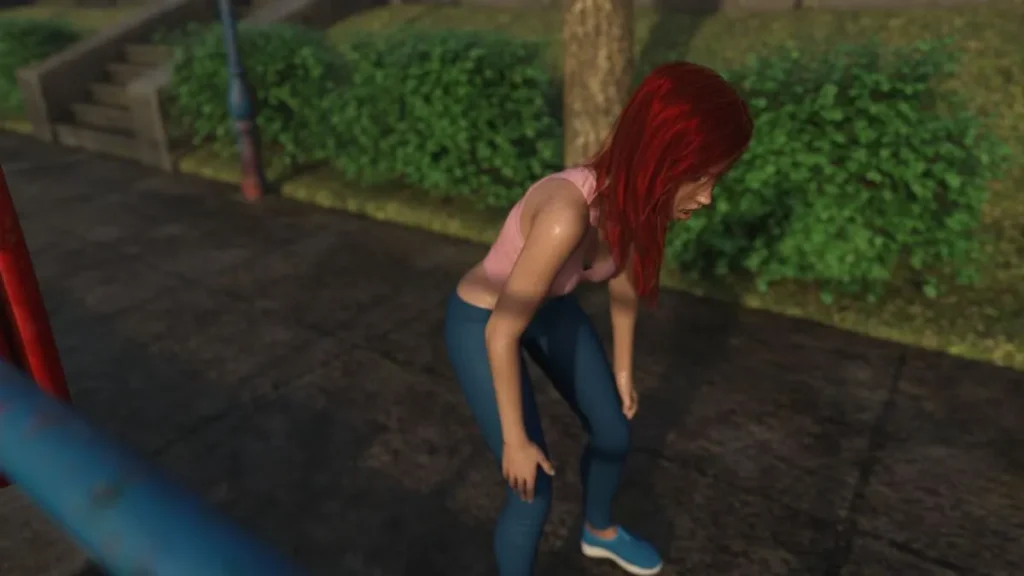
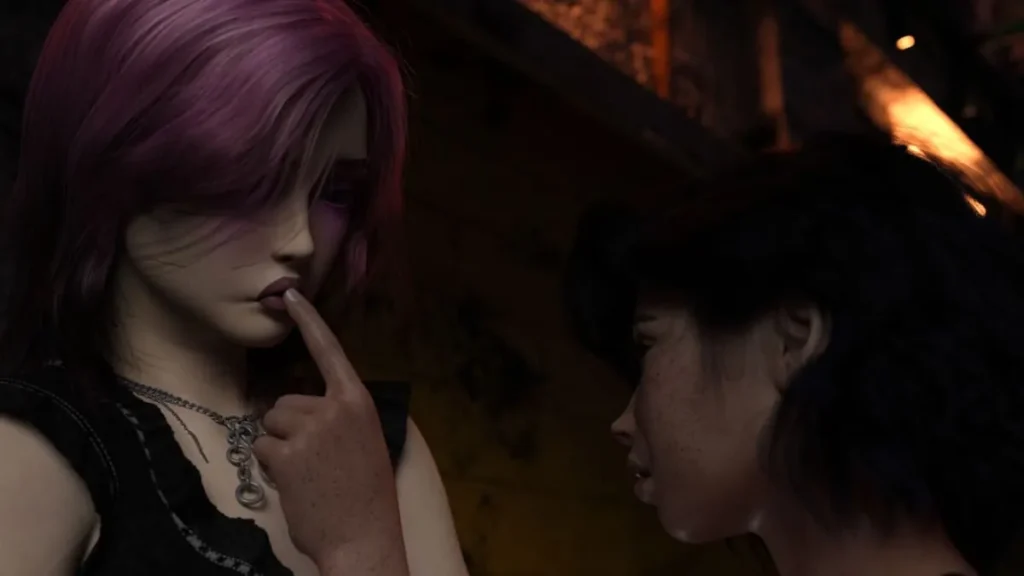
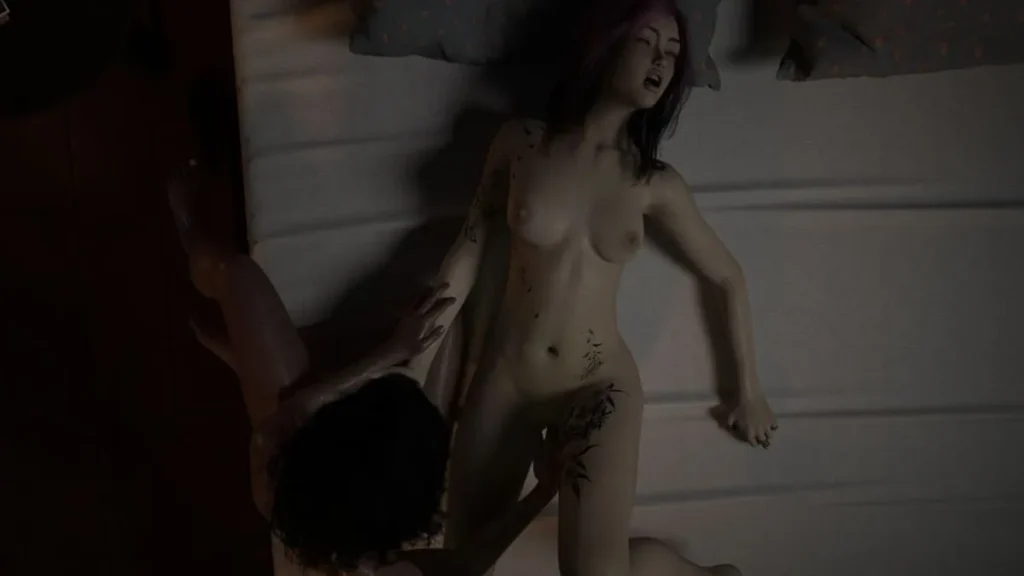
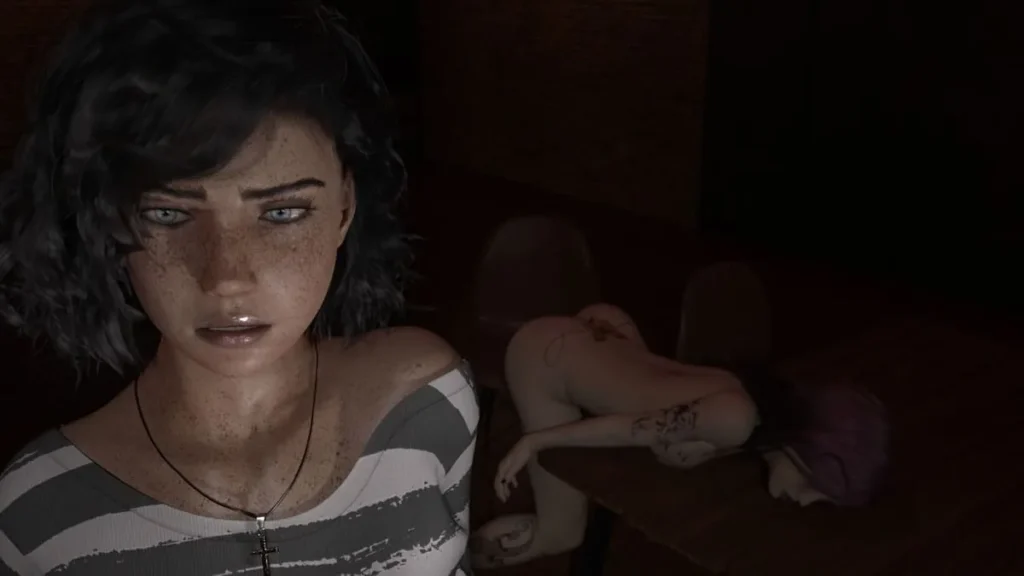

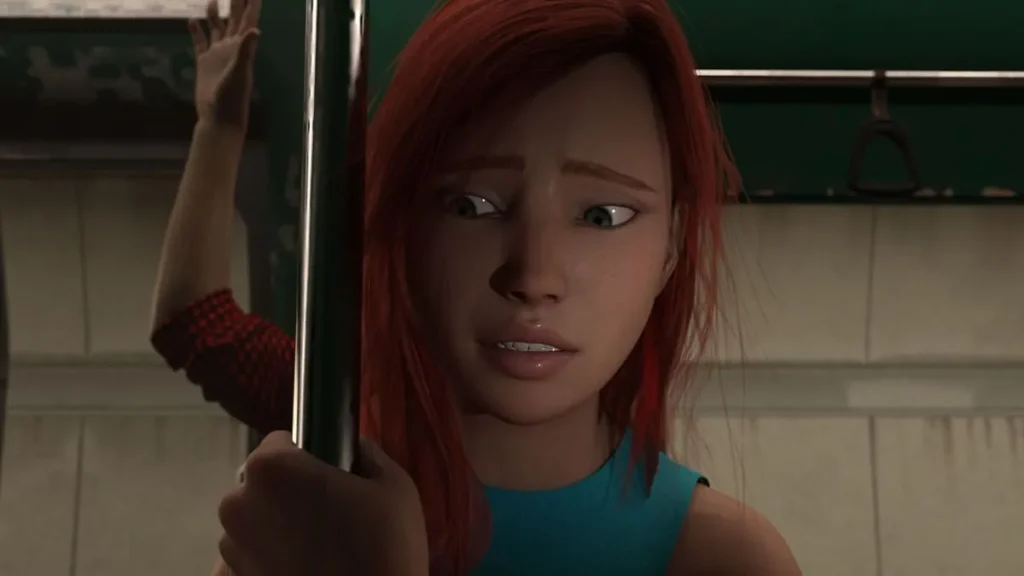
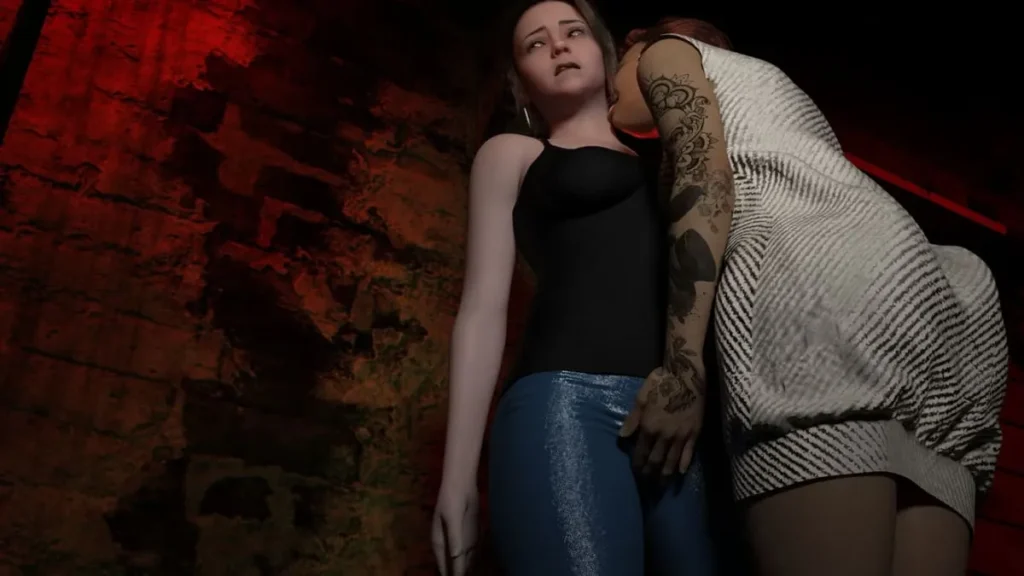
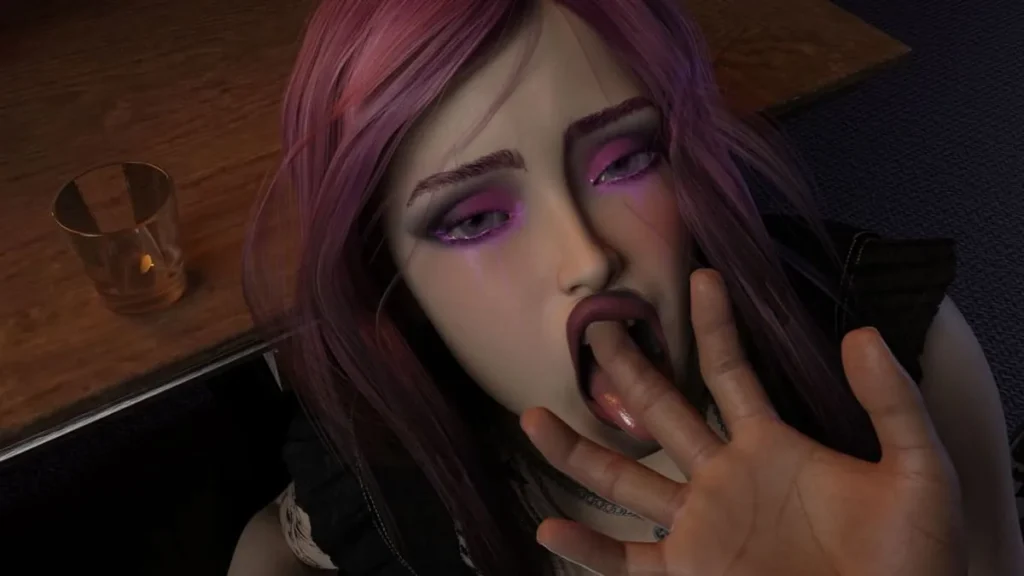
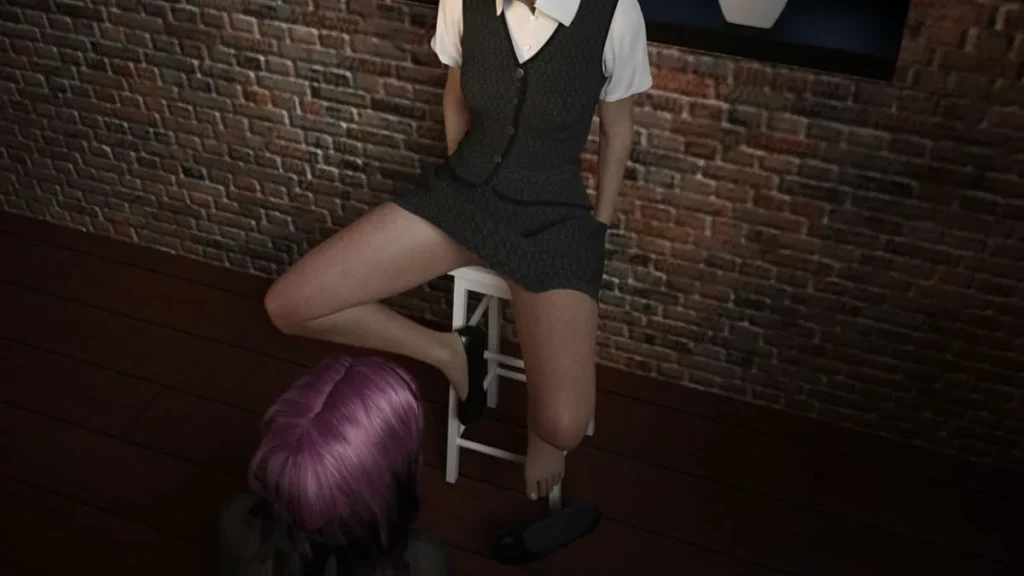
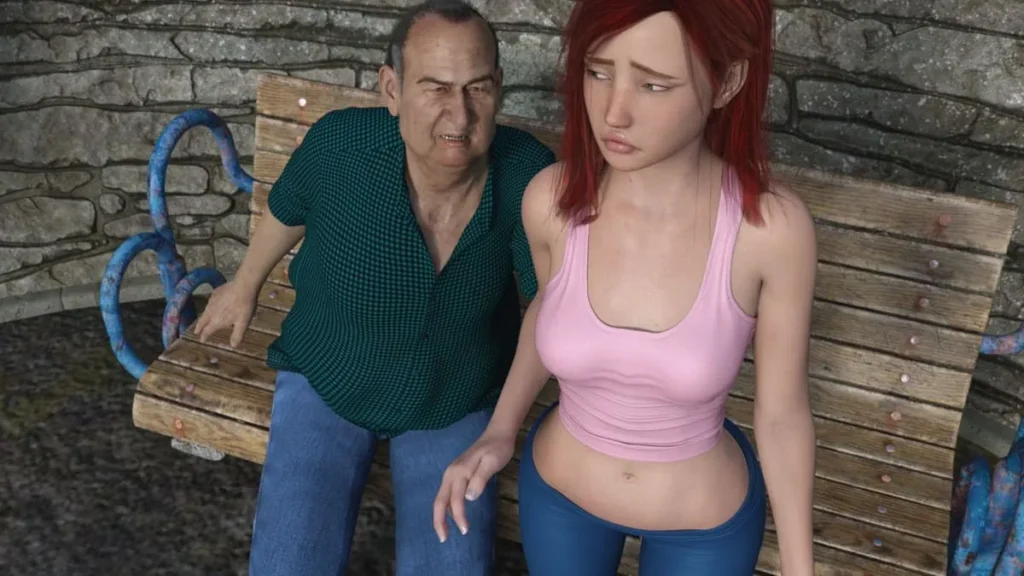
The Theater of Sinners review
Dive into humiliation, corruption, and twisted choices in this Ren’Py adult game
Imagine stumbling into the Grand Théâtre des Ombres, a shadowy realm where every choice unleashes waves of humiliation and corruption in The Theater of Sinners. This Ren’Py visual novel by JustXThings grips you with its psychological fantasy horror, blending brutal narratives of Paula and Rebecca’s tormented lives with your power to shape their fates. I first loaded it up late one night, expecting light thrills, but two hours in, my decisions had spiraled into a web of abuse and redemption that kept me hooked till dawn. If you’re chasing a game where morals blur and consequences bite, The Theater of Sinners delivers unforgettably. Let’s unpack its twisted allure.
What Makes The Theater of Sinners Uniquely Gripping?
I still remember the first time I booted up The Theater of Sinners. 🎭 It was late, the room was dark, and within minutes, I was completely swallowed by its world. It wasn’t the expected jump-scares that got me—it was the profound, creeping sense of unease. The title screen music felt like a whispered secret, and I knew I wasn’t just starting a game; I was stepping into a hidden, shadow-drenched realm where every choice would leave a mark. If you’re searching for what is The Theater of Sinners, let me tell you: it’s a psychological fantasy horror experience that uses the Ren’Py visual novel format not for cheap thrills, but to construct a devastatingly intricate house of cards built on human frailty.
Unraveling the Core Premise and Setting
At its heart, The Theater of Sinners presents a simple, yet brilliantly twisted, concept. You are the new patron of the Grand Théâtre des Ombres, a clandestine establishment that exists in the liminal spaces of a modern city. This isn’t your typical theater. 🎪 There are no popcorn-fuelled crowds here. Instead, it’s a private arena where the darkest, most secret fantasies of its “actors” are staged for an exclusive audience—you.
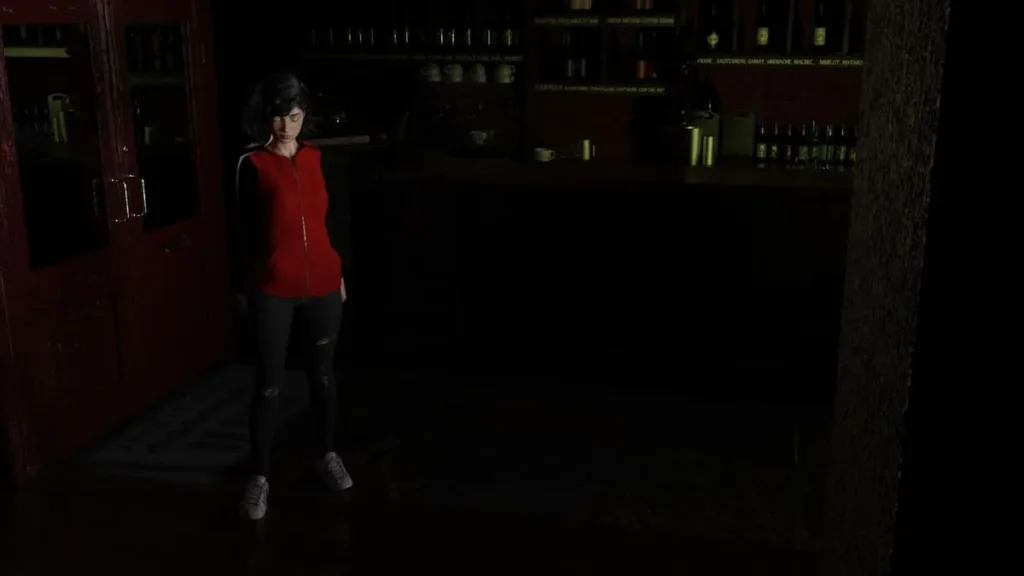
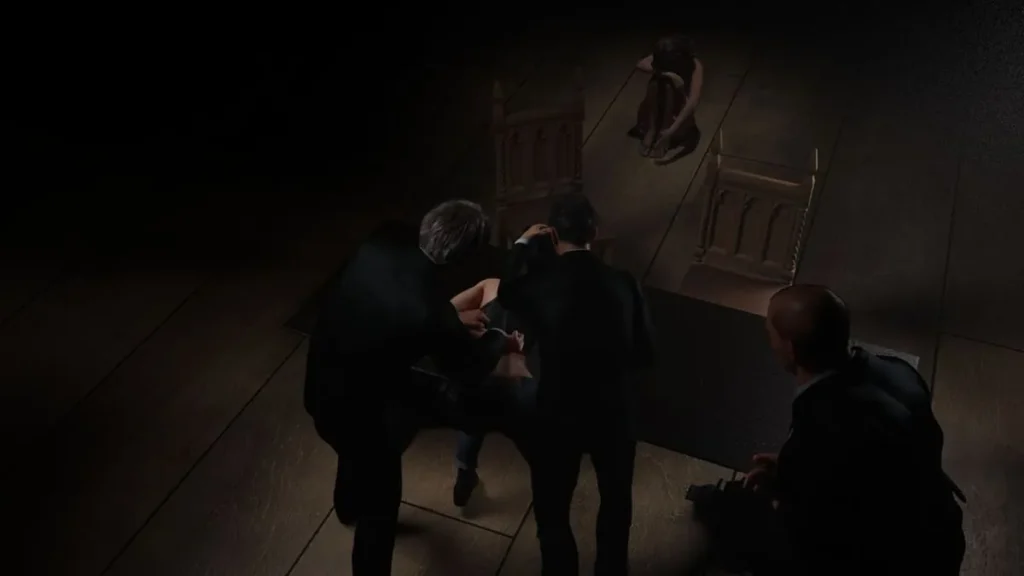
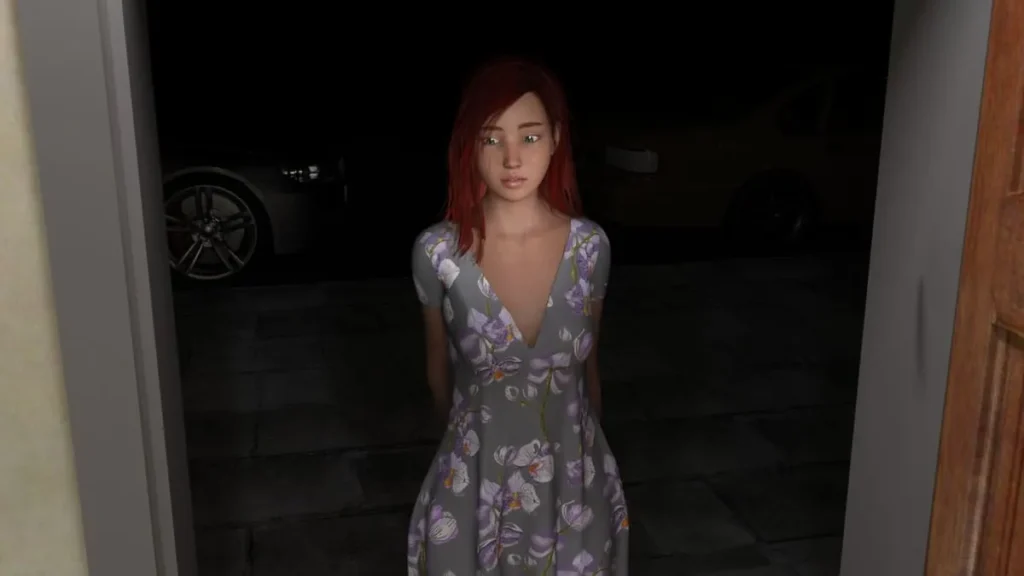
The genius of the Theater of Sinners game lies in its interwoven narratives. You don’t follow just one story. You become the silent director for multiple lost souls. Take Paula, the daughter of a powerful political figure, whose life of privilege masks a crushing loneliness that makes her terrifyingly vulnerable to a group of delinquents. Or Rebecca, whose survival in a home with an addict mother and a monstrous stepfather has forced her to build walls of cruelty, slowly becoming a reflection of the very abuse she despises. Their stories, and others, are the plays performed on this hidden stage.
As a patron, your role is to observe, influence, and ultimately shape their destinies through your choices. The game’s mechanics are deceptively deep, built to service its heavy themes:
- Decision Branching: Every dialogue option and action is a fork in the road. A seemingly kind word can be a tool for manipulation, while a harsh one might be the only spark of truth a character needs.
- Stat Influences: Hidden traits like Fear, Corruption, Submission, and Defiance fluctuate based on your choices, silently steering the narrative toward vastly different conclusions, from harsh degradation to fragile redemption.
- Non-Linear Events: The stories aren’t locked in a single sequence. You can jump between character arcs, and your decisions in one story can have subtle, haunting echoes in another.
- Flashbacks: Key moments from the characters’ pasts are unlocked, not as simple cutscenes, but as playable sequences. You don’t just hear about their trauma; you live it, making their present-day struggles painfully understandable.
This structure turns the Grand Théâtre des Ombres into more than a setting; it’s the central metaphor for the entire experience. We are all performers in our own tragedies, and this game gives you a front-row seat to the most private acts.
| Mechanic | How It Serves the Story |
|---|---|
| Choice-Driven Narrative | Creates a powerful sense of agency and responsibility for the often-brutal outcomes. |
| Hidden Stat System | Maps the psychological state of the characters, making their development feel organic and earned. |
| Non-Linear Plot | Encourages replayability and reinforces the idea that these lives are interconnected and ongoing. |
| Flashback Sequences | Builds deep empathy (or complex disdain) for the characters, grounding their actions in past pain. |
Why Player Choices Drive Brutal Outcomes?
This is where The Theater of Sinners truly separates itself from the pack. Your choices aren’t about picking a “good” or “evil” route from a menu. They are granular, nuanced, and permanent. The game autosaves relentlessly, and there is no rewinding. A single, impulsive click can lock a character onto a path of devastating consequences.
Let me give you an example from an early playthrough. In Paula’s story, faced with the escalating demands of her bullies, I was given a choice: reluctantly comply with a humiliating request to avoid immediate conflict, or defiantly refuse and call their bluff. Thinking I was “protecting” her dignity, I chose defiance. The game didn’t flash a “Game Over” screen. Instead, it played out a sequence of realistic retaliation—social sabotage, leaked secrets, psychological torment—that was far more degrading than the original request. I had traded a moment of pride for a long-term campaign of ruin. 😟 It was a masterclass in consequence.
The “twisted choices” the title promises are exactly this: decisions where every option carries a cost. Do you encourage Rebecca to harden her heart to survive her hellish home, knowing it might destroy her capacity for connection later? Or do you nurture a hidden softness that could be exploited? The Theater of Sinners game forces you to think in terms of survival, not morality, in a world where the two are constantly at war. Your power as the patron is real, and it is terrifyingly easy to misuse.
My practical advice? SAVE OFTEN, AND IN MULTIPLE SLOTS. Treat each major decision as a point of no return and create a manual save. This isn’t to avoid consequences, but to allow yourself to explore the terrifying breadth of the narrative branches this Ren’Py visual novel offers. Also, savor the dialogue. A character’s hesitation, a change in the music, a slight shift in the background art—these are your only hints. Nothing is spelled out.
Atmospheric Horror That Lingers Long After
Forget gore and monsters. The horror in The Theater of Sinners is baked into the atmosphere and the human psyche. This is psychological fantasy horror at its most potent. The dread doesn’t come from what you see, but from what you understand is about to happen, and from the chilling realization that you may have set it in motion.
The visual and audio design is minimalistic yet profoundly effective. Shadows cling to corners of the beautifully drawn backgrounds. The character sprites are expressive, their eyes often holding oceans of unspoken pain or chilling emptiness. The soundtrack is a haunting mix of melancholic piano and unsettling ambient tones that gets under your skin. It’s the sound of guilt, of crumbling resolve, of memories best left forgotten.
The true horror stems from the game’s uncompromising themes: cycles of abuse, the burden of guilt, the corrosive nature of secrets, and the elusive search for redemption in a world that seems to profit from sin. As one developer insight puts it:
“We wanted to focus on a dark story of abuse, humiliation, and twisted romance. Not to glorify it, but to examine the complex, often ugly, emotions that bind people in these dynamics. The power imbalances, the moments of terrible vulnerability, and the choices people make just to feel something—even if it’s pain.”
This commitment is why the experience lingers. You’ll find yourself thinking about Paula, Rebecca, and the others long after you close the game. You’ll wonder if that other choice you didn’t make could have led to a better, or perhaps even worse, place. 🤔
In my opinion, to label The Theater of Sinners as merely an “adult game” is to miss the point entirely. Sure, it contains mature themes presented with artistic nudity, but they are never the destination. They are part of the landscape—a raw, uncomfortable, and necessary part of the journey. This is a masterclass in consequence-driven storytelling, a psychological fantasy horror tale that uses the intimacy of the Ren’Py visual novel format to probe depths most games wouldn’t dare approach.
So, are you ready to take your seat in the Grand Théâtre des Ombres? The curtain is about to rise on characters whose flaws are as compelling as their fears, and your choices will write the final act. Let’s meet the sinners next, and see whose story you’ll shape first.
The Theater of Sinners stands out as a raw, unflinching dive into blurred morals, where your choices weave humiliation, corruption, and fleeting redemption for Paula, Rebecca, and their tormented circle. From my playthroughs, it’s the weight of those branching paths and psychological depth that lingers, turning a simple visual novel into an obsessive experience. If its kinks and narratives spark your curiosity, grab the latest 0.3 ALPHA 1 version from itch.io and start shaping fates tonight. Dive in, make bold decisions, and see where the shadows lead you—what’s your first move going to be?