
Taboo University
Play Taboo University
Taboo University Screenshots






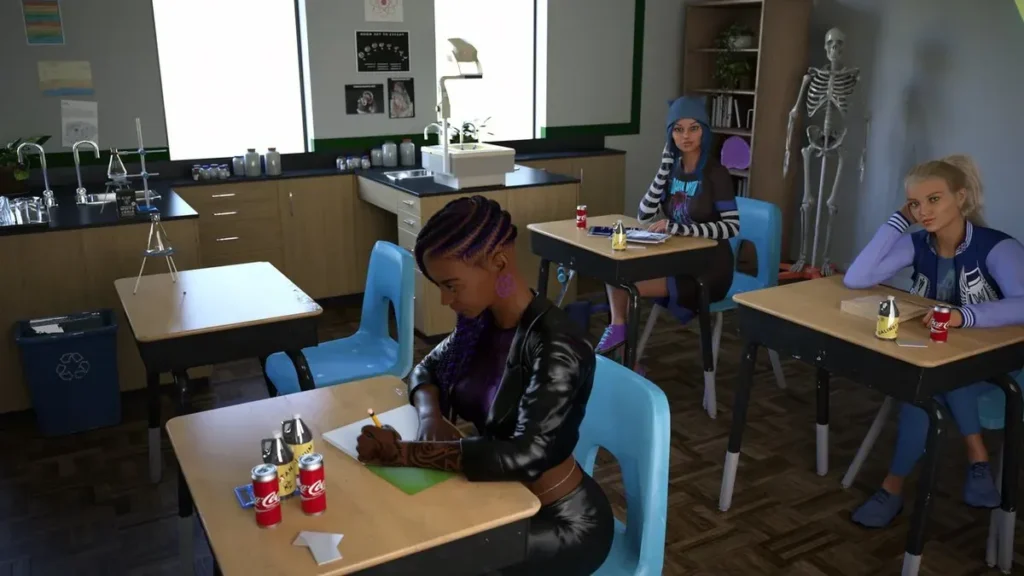



Taboo University review
Explore gameplay mechanics, storylines, and what makes this adult game unique
Taboo University stands out in the adult gaming landscape as a narrative-driven experience that combines interactive storytelling with relationship-building mechanics. This guide explores the game’s core features, gameplay systems, and what players can expect from their experience. Whether you’re new to adult games or looking for something with deeper narrative elements, understanding what Taboo University offers helps you determine if it matches your gaming preferences. The game focuses on player choice, character interactions, and branching storylines that respond to your decisions throughout the experience.
Understanding Taboo University: Game Overview & Core Mechanics
So, you’ve heard the whispers in the dorm halls, seen the cryptic forum posts, and now you’re curious. What exactly is Taboo University, and more importantly, how do you play it? 🎮 If you’re picturing a simple click-through experience, prepare to have your expectations thoroughly challenged. This isn’t just a story you watch; it’s a world you shape with every decision.
At its heart, Taboo University is a masterclass in interactive adult game gameplay. It pulls you into a richly detailed campus life where your choices are the curriculum. Think of it less as a game you “win” and more as a dynamic, living narrative you experience. Your role is that of a new student, and from the moment you step onto campus, every conversation, every flirtation, and every secret you uncover is directed by you. This is the essence of a true choice-based narrative game—a story that branches, twists, and concludes in wildly different ways based solely on your actions.
Ready to enroll? Let’s break down exactly how does Taboo University work.
### What Is Taboo University and How Does It Work?
Imagine stepping into a television series where you are the director, scriptwriter, and lead actor all at once. That’s the fundamental promise of Taboo University. It’s a narrative-driven experience set in a contemporary university environment, where social dynamics, personal ambitions, and intimate relationships take center stage.
The core loop is deceptively simple: you read through beautifully rendered visual scenes, engage in dialogue with a diverse cast of characters, and make choices at critical junctures. But beneath that surface lies a complex engine of cause and effect. The game functions as an intricate web of branching storyline game paths. Your early decisions in Chapter 1 can lock or unlock entire story arcs, character relationships, and special scenes much later in the game, creating a profoundly personalized journey.
From a technical standpoint, the game tracks hundreds of hidden variables—affection scores, personality flags, trust levels, and past choices. When you’re presented with a dialogue option, it’s not just a flavor text; it’s a key that opens some doors while quietly closing others. This system ensures that no two playthroughs are ever quite the same. You might be the charming socialite in one save file and the brooding, mysterious outsider in another. The game’s structure respects your agency, making the title a standout example of sophisticated Taboo University game mechanics.
### Key Gameplay Mechanics and Player Interaction Systems
Diving into the gameplay of Taboo University is like learning a new, thrilling language of interaction. It’s not about reflexes or puzzle-solving; it’s about psychology, strategy, and understanding narrative consequence. Here are the core systems that make the magic happen:
- The Choice Engine: This is the backbone. At pivotal moments, the story pauses, and you are presented with typically 2-4 options. These aren’t just “Good vs. Evil” picks. They often reflect different attitudes: playful, sincere, aggressive, shy, or cunning. The game rarely judges your choice as right or wrong; instead, it records it and adjusts the world’s reaction to you accordingly.
- Decision Trees & Narrative Branches: Think of the story not as a line but as a sprawling tree. A single choice can send you down a major branch (determining which character’s primary story you follow) or a smaller twig (altering the tone of a single scene). These Taboo University character interactions are built on these trees, ensuring conversations feel organic and responsive.
- The Save System: This is your best friend. The game encourages—almost demands—that you save often and in multiple slots. Why? Because seeing “what if?” is a huge part of the fun. Did that bold confession just ruin your chances with a character? Reload a save and try a more subtle approach. This feature directly supports the experimental nature of the interactive adult game gameplay.
- Progression & Unlockables: Your progress is often gated by both narrative choices and “relationship points.” Building a strong connection with a character unlocks special scenes, private locations, and deeper story layers. The game also features a gallery or scene replay function, allowing you to revisit key moments you’ve unlocked, which massively boosts replay value.
To visualize how these mechanics layer together, let’s look at a typical gameplay flow:
| Player Action | Immediate Result | Long-Term Narrative Impact |
|---|---|---|
| Choose a supportive dialogue option for Character A during a crisis. | Character A opens up, sharing a personal secret. A special, intimate scene is unlocked. | Character A’s “Trust” variable increases. This may unlock their exclusive story path later, while potentially making Character B, who is rivals with A, more distant. |
| Decide to skip a library study session to attend a wild frat party. | You meet new characters at the party and gain “Social” points. | You miss crucial study clues, making a future academic challenge harder. A character you stood up at the library remembers your absence. |
| Customize your avatar’s style to be more alternative. | Certain characters comment on your unique look immediately. | Characters with similar tastes may be more initially receptive, while more conservative characters might be harder to initially befriend. |
This interconnectedness is what defines the Taboo University game mechanics. You’re not just selecting options; you’re writing your own version of the story with every click. 🖱️✨
### Character Development and Relationship Building
If the choice engine is the game’s brain, then the relationship system is its beating heart. ❤️🔥 This is where Taboo University truly shines as a choice-based narrative game. The characters aren’t static quest-givers; they are individuals with memories, moods, and evolving feelings toward you—all dictated by your actions.
How Relationships Work:
Each major character has a set of internal metrics the game tracks. The most common are Affection (romantic/attraction interest), Trust (how much they confide in you), and sometimes unique flags like Respect or Jealousy. Your dialogue and actions directly raise or lower these hidden scores.
Personal Insight: In one of my playthroughs, I tried to romance two characters at once without thinking it through. The game didn’t stop me with a warning message. Instead, it remembered everything. When both characters found out, it triggered a devastating confrontation scene I didn’t even know existed, permanently altering my relationships with them and their friend groups. It was heartbreaking, but brilliantly authentic. That’s the power of its relationship building mechanics.
Building Connections:
Taboo University character interactions are nuanced. You build relationships through:
* Consistent Choices: Aligning your responses with a character’s personality (e.g., being ambitious with a career-driven character).
* Key Moments: Being there for them during pivotal story events, which often grants larger relationship boosts.
* Exclusive Attention: Focusing your time on one character often leads to a deeper, more complex storyline than spreading yourself thin.
Example of Choice Consequence:
Let’s walk through a concrete example to see the branching storyline game elements in action within a relationship.
- Scenario: You have a growing connection with “Maya,” a talented but insecure art student. She asks you to see her work in her studio.
- Choice A (Encouraging & Intimate): “I’d love to. Your passion is incredible, and I really want to know more about you.” (Choose this)
- Choice B (Friendly & Casual): “Sure, sounds cool. I’ll swing by later.”
- Choice C (Dismissive): “I’m pretty busy with my own stuff, maybe another time.”
If you choose A: You go to the studio. The scene is warm, close. She shares vulnerable stories about her art. You have the option to kiss her, deepening your romantic path. This significantly boosts Affection and Trust, and unlocks a future subplot where she paints your portrait.
If you choose B: You still go, but the tone is platonic. The conversation stays surface-level. You gain a small amount of Trust, but the romantic opportunity is missed for now. The portrait subplot may not trigger.
If you choose C: She is visibly hurt. Her Affection score drops. Later, you might hear from a mutual friend that she feels rejected. It becomes much harder to restart a romantic path with her, showcasing the game’s commitment to meaningful consequences.
This level of detail in the relationship building mechanics ensures that your connections feel earned and real. The game understands that relationships are built not in grand declarations, but in a series of small, meaningful moments. By mastering these interactions, you stop simply playing a game and start living a story—one that is uniquely, irresistibly yours. 📖💫
So, are you ready to step onto campus and see where your choices lead? The lecture hall is waiting, and your story is just beginning to be written.
Taboo University delivers a narrative-focused gaming experience that prioritizes player choice and character relationships. The game’s strength lies in its branching storylines, where your decisions genuinely impact how relationships develop and which endings you unlock. With multiple characters to pursue, different narrative paths, and consequences that carry weight throughout your playthrough, the game encourages exploration and replay. Whether you’re drawn to interactive storytelling, relationship-building mechanics, or the freedom to shape your own narrative, Taboo University offers a substantial experience that respects player agency. For those seeking an adult game with genuine narrative depth and meaningful choices, this title provides the kind of engaging gameplay that keeps players invested in discovering all possible outcomes.