Elvensang
Play Elvensang
Elvensang Screenshots
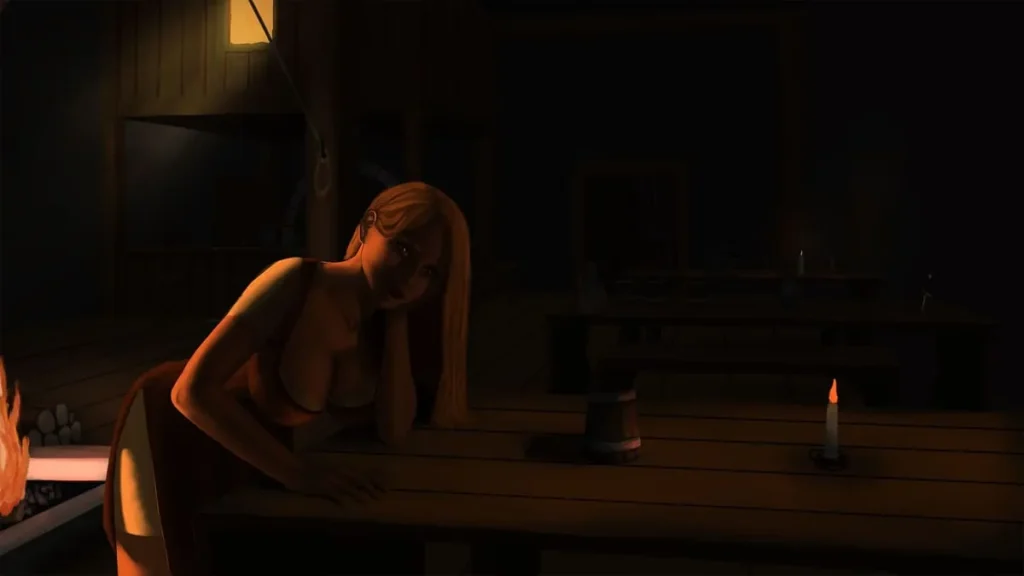
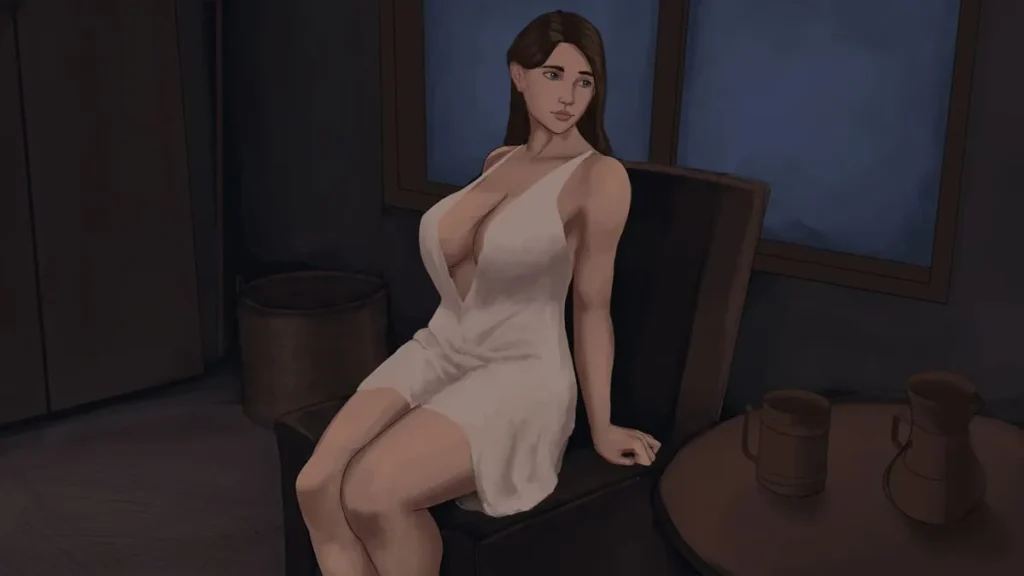
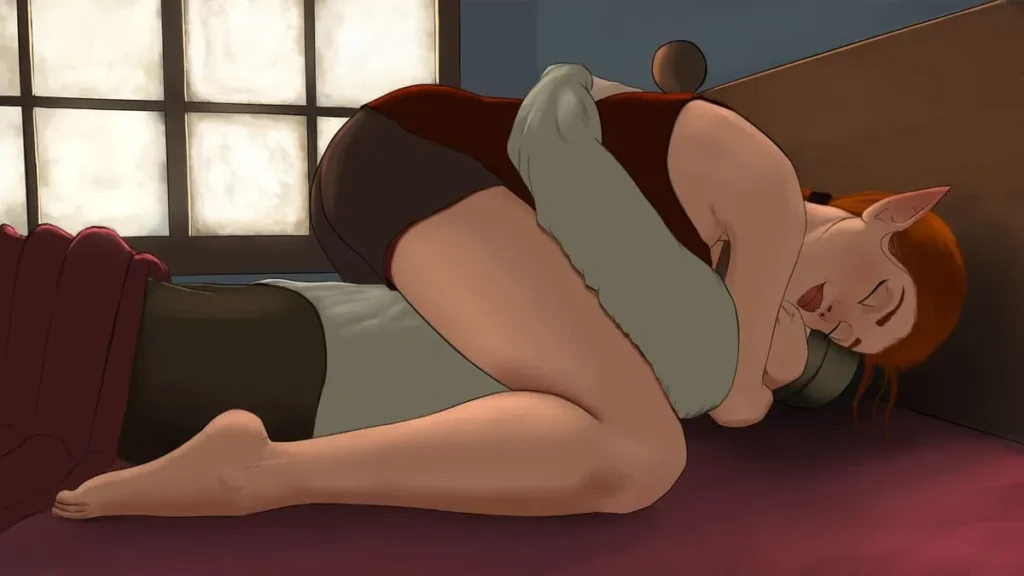
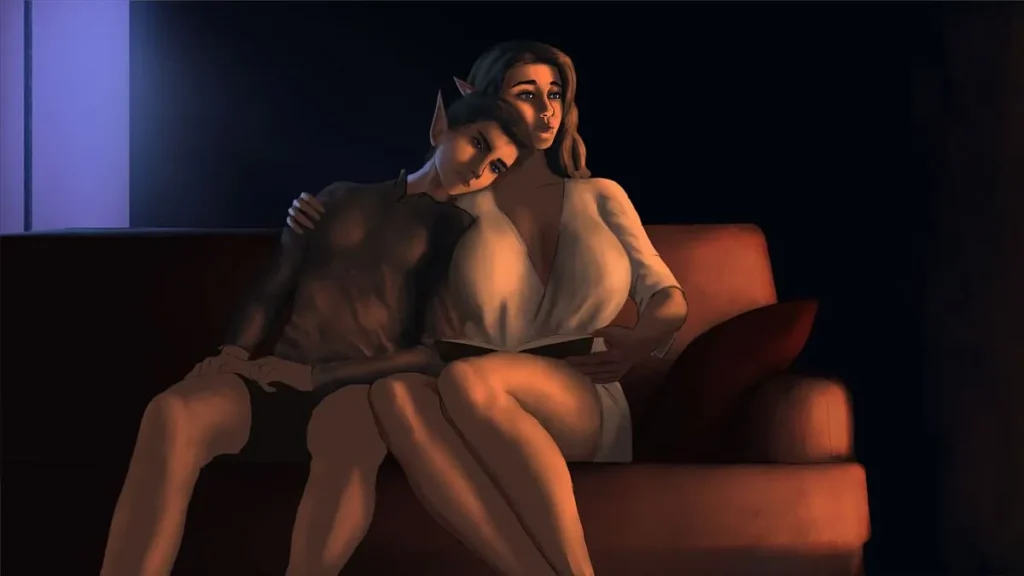
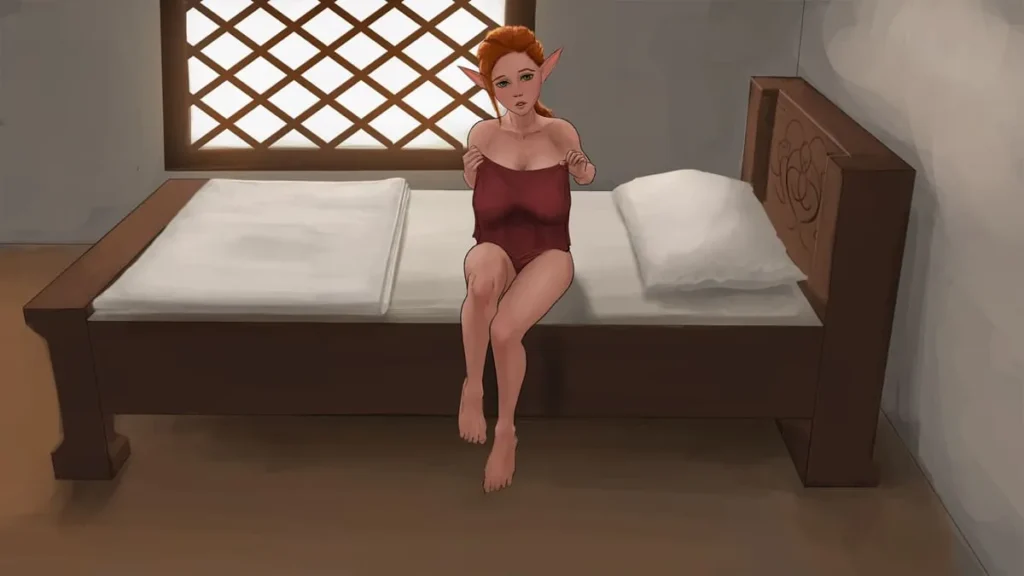
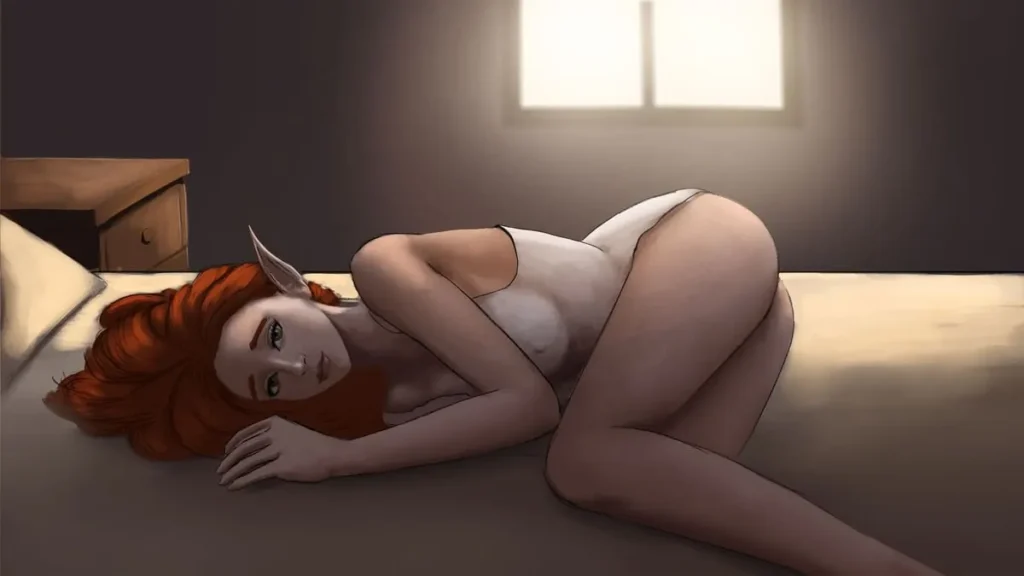
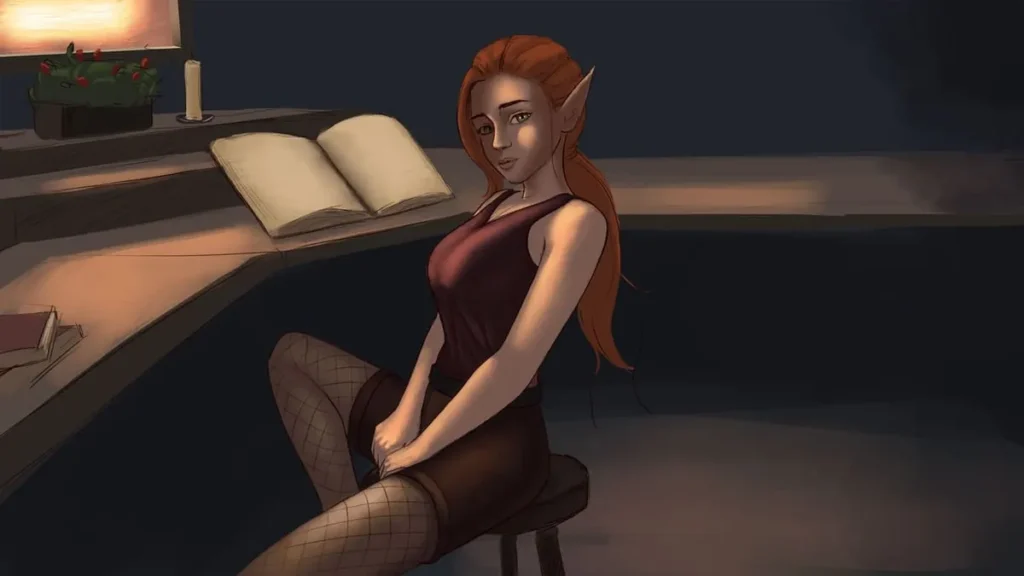
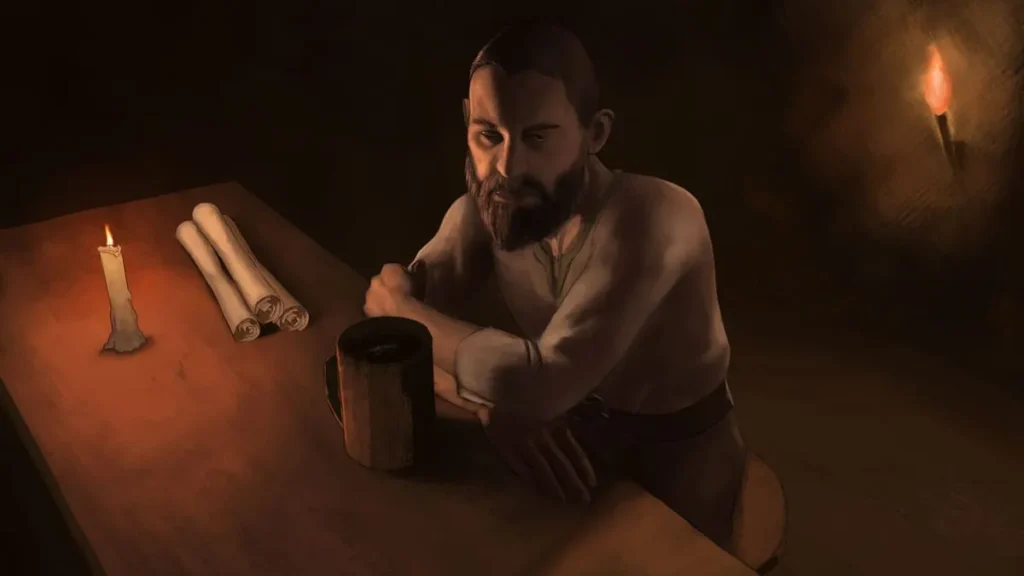
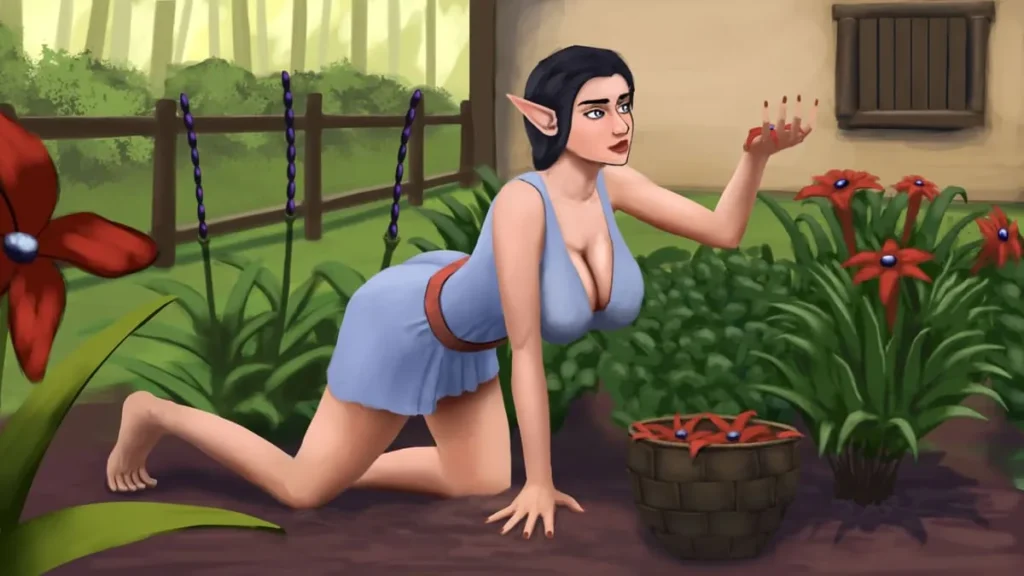
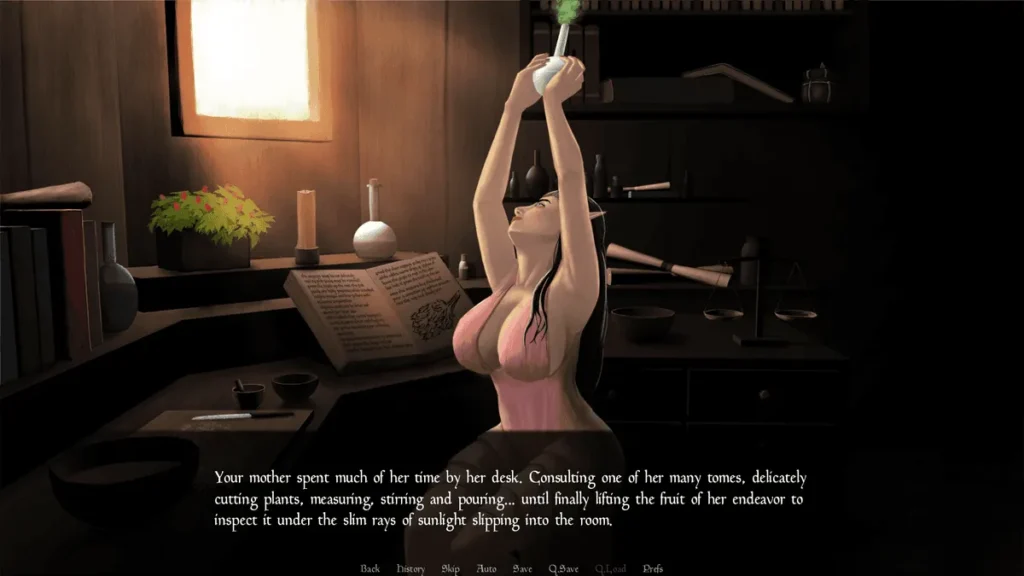
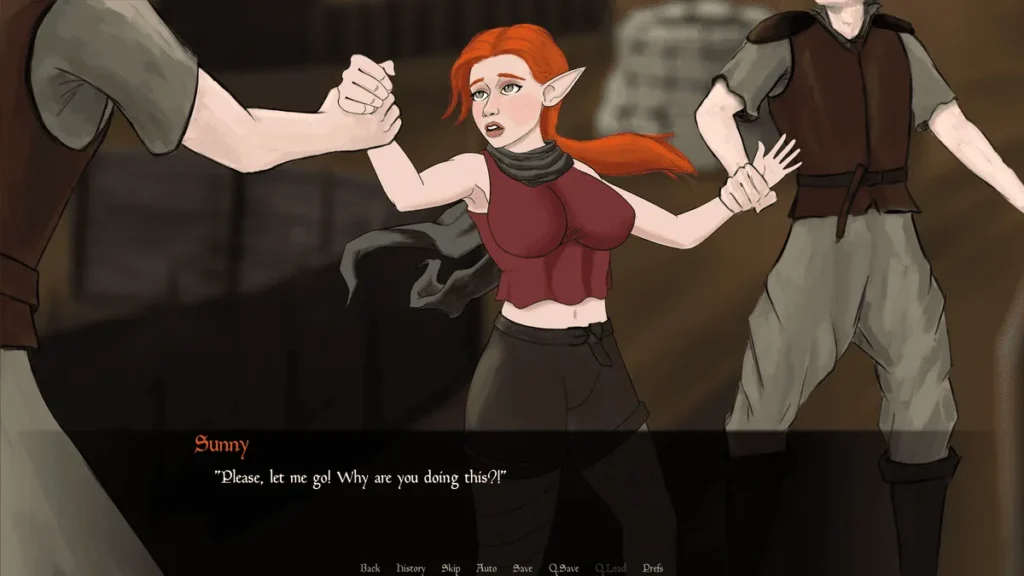
Elvensang review
Dive into the Moral Choices and Immersive Fantasy of Worlaix’s Ren’Py Adventure
Imagine growing up as a young elf in a brutal human world that scorns your kind— that’s the gripping premise of Elvensang, the story-driven visual novel by Worlaix. Raised alone by your mother in an early medieval low-fantasy setting, every decision tests your morality, letting you craft a tender romance or plunge into depravity. I first stumbled upon Elvensang during a late-night browse and was hooked by its reactive narrative and hand-drawn art. Whether you’re eyeing Episode 5 or just curious about this Ren’Py gem, this guide unpacks its mechanics, characters, and tips to maximize your playthrough. Let’s explore why Elvensang stands out in adult gaming.
What Makes Elvensang’s World and Story So Addictive?
Ever find yourself scrolling through visual novels, hungry for a story that actually sticks to your ribs? One that’s less about fleeting scenes and more about the lasting weight of a decision, the ache of a memory, or the quiet warmth of a shared fire? If that sounds like your kind of adventure, then let me tell you about the Elvensang story—a tale that completely redefined what I expect from the genre. This isn’t just another fantasy romp; it’s a deeply personal, morally complex journey that had me replaying episodes just to live another version of my character’s life. 🍃✨
At its heart, the Elvensang story is a masterclass in immersive, character-driven fantasy. It pulls you into a world that feels weathered and real, then hands you the reins to a life fraught with peril and possibility. So, what is it about this low fantasy medieval Elvensang world that makes it so utterly absorbing? Let’s dive in.
How Does the Elf Protagonist’s Journey Unfold?
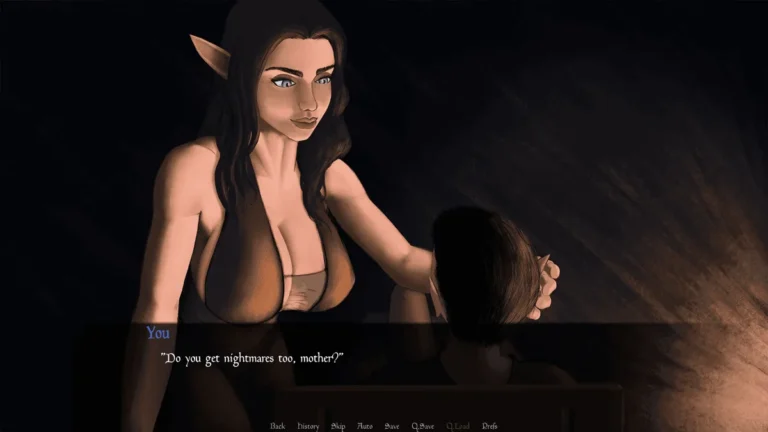
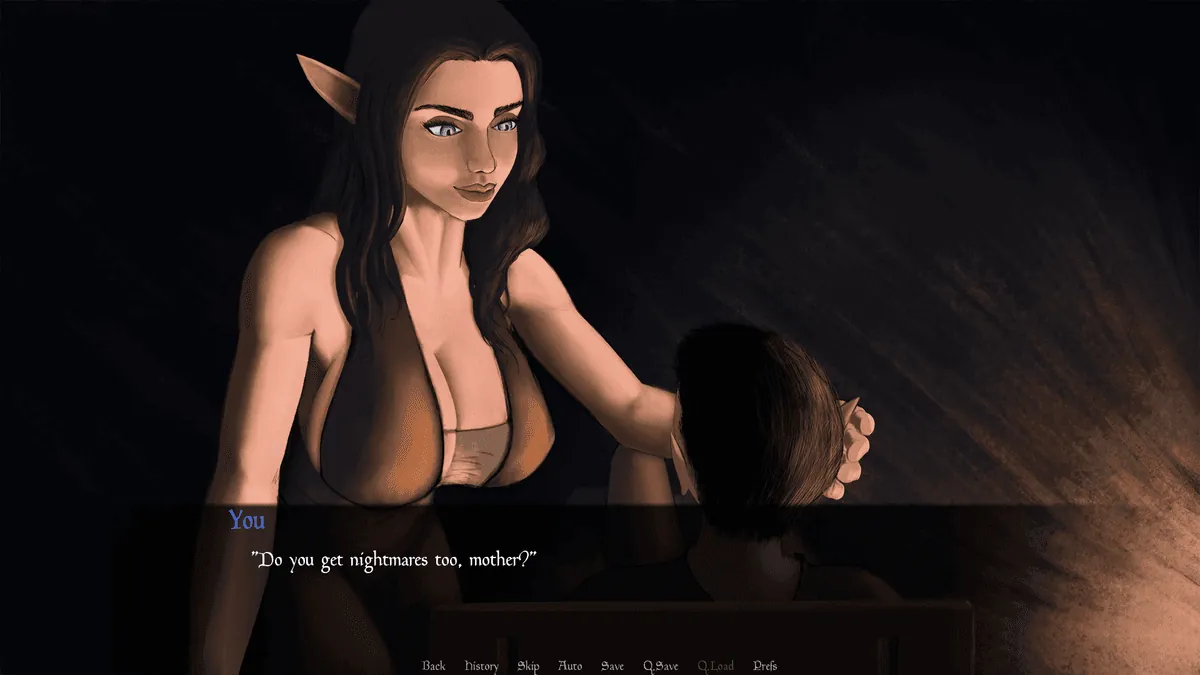
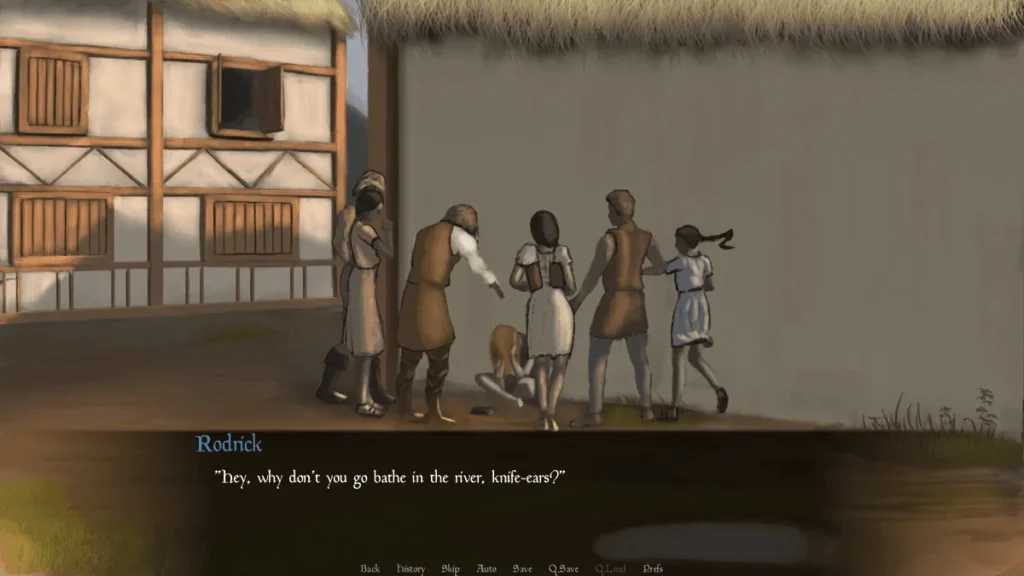
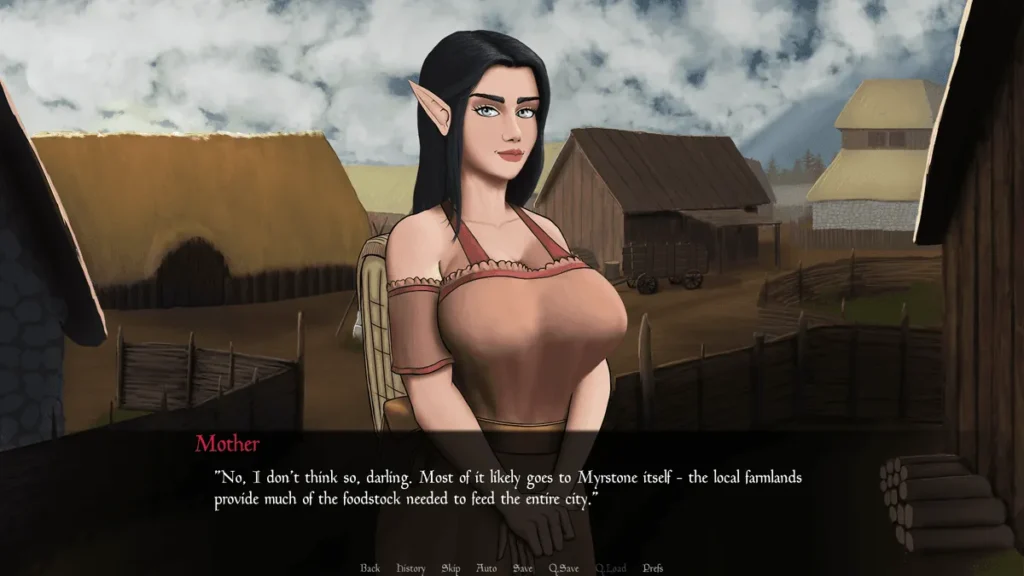
You step into the worn-out shoes of a young elf protagonist Elvensang, a character defined not by grandeur, but by survival. Raised by your mother, Anasteya, in a human village that views your kind with suspicion or outright hatred, your entire existence is a tightrope walk. This is the core of what is Elvensang plot?—it’s a coming-of-age story set against a backdrop of relentless adversity. You’re not a chosen one with a destiny spelled out in the stars; you’re just trying to make it through another day in a world that seems engineered to break you.
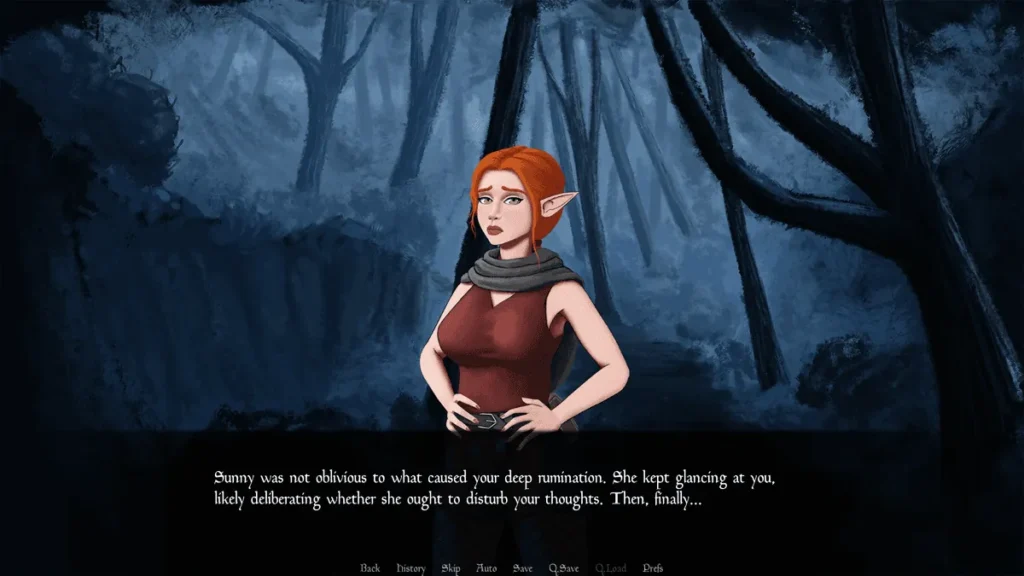
Your journey begins locally, with tasks that quickly reveal the gritty truth of your environment. A simple request to investigate the family of a haughty friend unravels into a web of local politics, personal vendettas, and social climbing. Every interaction tests you. Will you be the dignified elf who rises above the pettiness, or will you let the constant slights and injustices twist you into something darker? The Elvensang story expertly weaves these larger investigations with moments of tender, everyday drama—like the slow, cautious, and utterly captivating Elvensang Sunny romance.
Speaking of Sunny, their role is a beacon in the gloom. As a fellow outsider in their own way, the growing closeness between you and Sunny becomes a central pillar of your experience. I have to share a personal moment here: I replayed Episode 5 three times. Once, I played as a principled hero, bonding with my companions and sharing sincere moments with Sunny—their reworked sprite and the new backgrounds made those scenes feel breathtakingly real. 😊 Another time, I dove headfirst into manipulation and depravity, and seeing how Sunny’s interactions changed, how the potential for that connection soured or became a tool… it was chilling. It proved that the elf protagonist Elvensang isn’t just along for the ride; you are the architect of your soul.
Why Do Player Choices Shape Multiple Paths?
This is where Elvensang truly shines. Your decisions aren’t mere dialogue flavor; they are the bricks and mortar of your narrative path. The game’s system of Elvensang morality choices is beautifully nuanced. It’s not a simple good/evil slider. Instead, your actions build reputations with key factions and NPCs, and they define your philosophical leanings—are you merciful or ruthless? Idealistic or pragmatic? These silent scores determine everything from available dialogue and allies to the story’s ultimate endings.
Think of a moment where a rival spreads vicious rumors about you. You’re faced with a Elvensang morality choice: do you publicly confront them with dignity, privately sabotage their standing, or use physical intimidation? One path might earn you respect from the village elders, another might solidify a useful but amoral alliance, and a third could drive a wedge between you and a companion who values honor. I remember one choice where showing vulnerability to Sunny after a fight led to a scene of profound intimacy, while choosing to bottle up my emotions instead sparked a respectful but distant rivalry. The branches are real and meaningful.
To help you navigate this web, here’s a breakdown of the core mechanics at play:
| Mechanic | Description | Player Impact |
|---|---|---|
| Narrative Choices | Dialogue and action decisions that directly alter relationships, unlock scenes, and shift plot direction. | Creates a completely personalized story; leads to multiple endings based on reputation and romance flags. |
| Faction Reputation | Hidden scores tracking your standing with groups like the Village Elders, the Merchant Circle, and Outsiders. | Opens or closes quest avenues, changes how NPCs address you, and influences final outcomes. |
| Philosophical Leanings | Internal alignment towards concepts like Mercy vs. Ruthlessness or Pragmatism vs. Idealism. | Shapes the protagonist’s internal monologue and unlocks specific decision options key to certain endings. |
| Relationship Values | Individual scores with characters like Sunny, Anasteya, and rivals, affected by every interaction. | Determines the depth of companion scenes, potential for romance, and whether bonds become supportive or antagonistic. |
🥧 The practical advice? Keep a mental (or actual!) note of your priorities. Are you aiming for a specific ending? Then track what your key decisions say about your character’s philosophy. Pay attention to how characters react to you—their shifting dialogue is the best guide to your invisible reputation scores. And if you’re invested in the Elvensang Sunny romance, remember that consistency and genuine emotion (or clever manipulation) are key.
What Medieval Fantasy Elements Define the Setting?
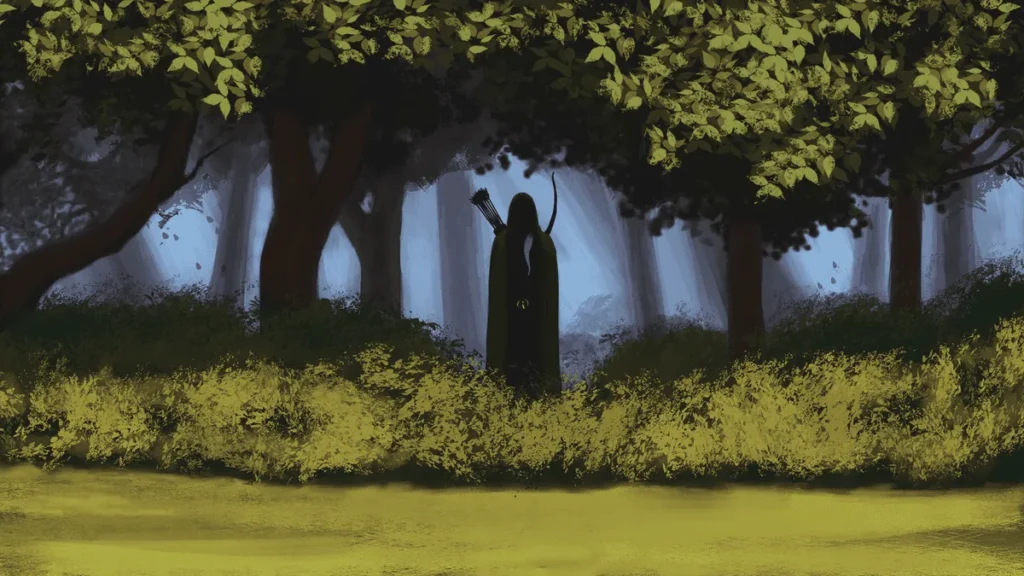
Forget high fantasy’s glowing magic and epic battles between clear-cut forces. The low fantasy medieval Elvensang setting is a character in itself, and it’s brutally effective. Inspired by the early medieval period, the world of Worlaix is one of mud, timber, and iron. Technology is simple, travel is dangerous, and societal roles are rigid. Superstition often outweighs reason, and for an elf living among humans, this creates a constant, low-level tension.
This isn’t just aesthetic. The low fantasy medieval Elvensang setting directly fuels the Elvensang story. The hostility you face feels authentic to a historical mindset of distrust towards the “other.” Resources are scarce, making every favor you do or receive a significant transaction. The “fantasy” element is subtle—it’s in the longevity of the elves, the hints of old forest magic, and the atmospheric weight of a world that feels ancient and secrets. It’s a perfect stage for intimate drama, because the stakes are often personal survival and social standing, not the fate of kingdoms.
The production reflects this commitment. With around 43,000 words of branching dialogue and over 45 unique artworks—including stunning new backgrounds in later episodes—the world is painted with a careful, immersive brush. You feel the chill of the rain, the crowded warmth of the tavern, and the isolating silence of the woods. This attention to detail ensures that every step of the elf protagonist Elvensang’s journey feels tangible and consequential.
So, what is the Elvensang plot ultimately about? It’s about identity in a world that denies yours. It’s about whether connection can be forged in a climate of fear, and what you’re willing to become to secure your place. It’s a story that prioritizes the slow burn of character development over instant gratification, making every moment of tenderness, like those in the Elvensang Sunny romance, feel hard-won and precious, and every act of malice feel like a genuine fracture in your soul.
If you’re ready for a fantasy tale that trusts you with difficult Elvensang morality choices and rewards you with a story that feels uniquely yours, then your journey into Worlaix awaits. Just be prepared to leave parts of your conscience—or your heart—behind along the way.
“Elvensang is, first and foremost, a story-driven visual novel. While it contains mature optional content, the core experience is about the journey of its elf protagonist, the weight of your choices, and the relationships you build—with Sunny’s path being the central, canonical romance. Think of it less as a simple game and more as an interactive, character-centric fantasy novel you help write.” – Worlaix, Developer.
Elvensang captivates with its deep narrative, where your elf’s fate hinges on every moral crossroads—from sweet bonds with Sunny and companions to darker manipulations in a prejudiced world. I’ve lost count of replays, each revealing new layers in Worlaix’s Ren’Py masterpiece. Whether chasing romance or ruthlessness, the hand-drawn art and choices keep it fresh through Episode 5. Ready to shape your own tale? Download Elvensang today, dive in, and share your wildest path in the comments—I’d love to hear if you went hero or villain.