Demons of the Hearth
Play Demons of the Hearth
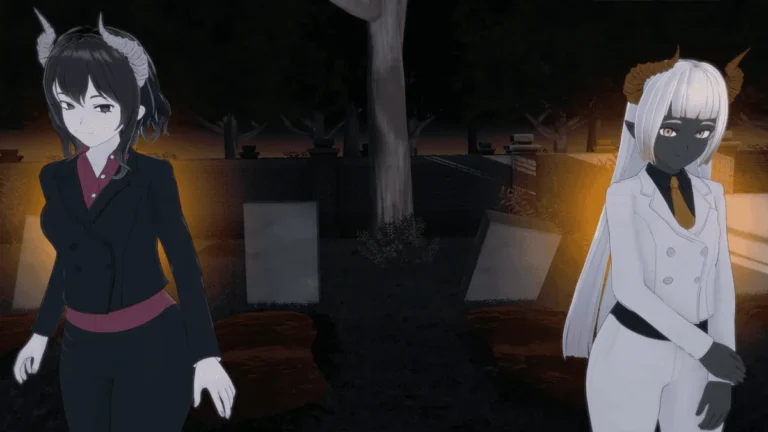
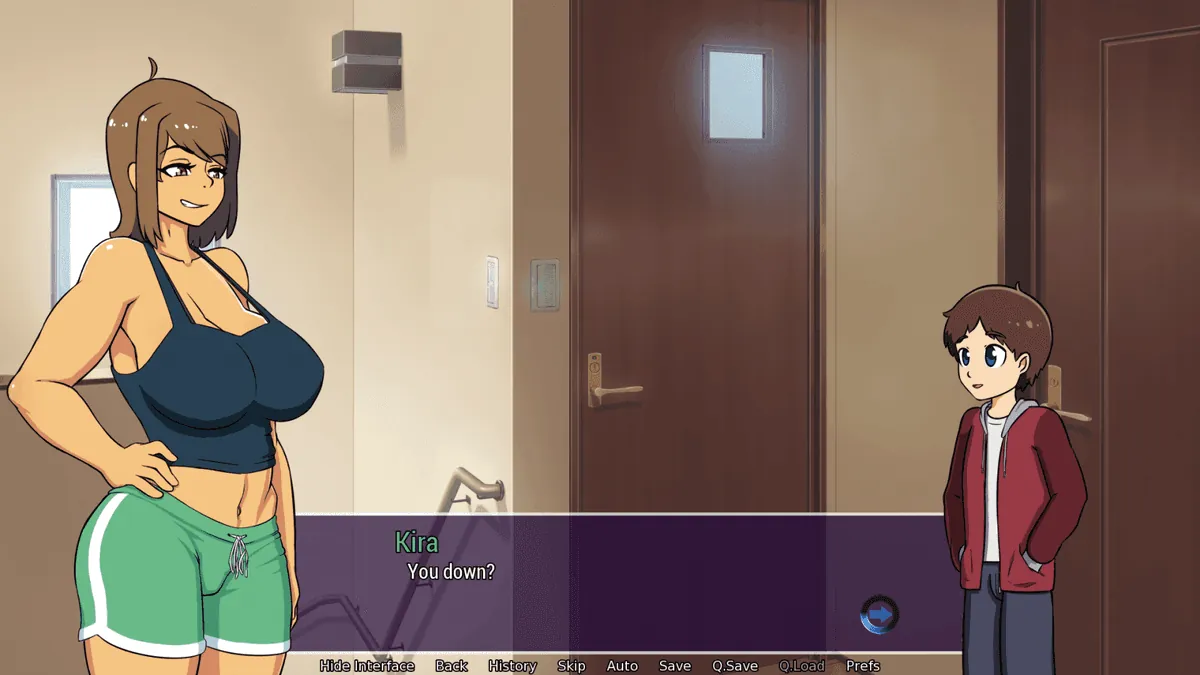
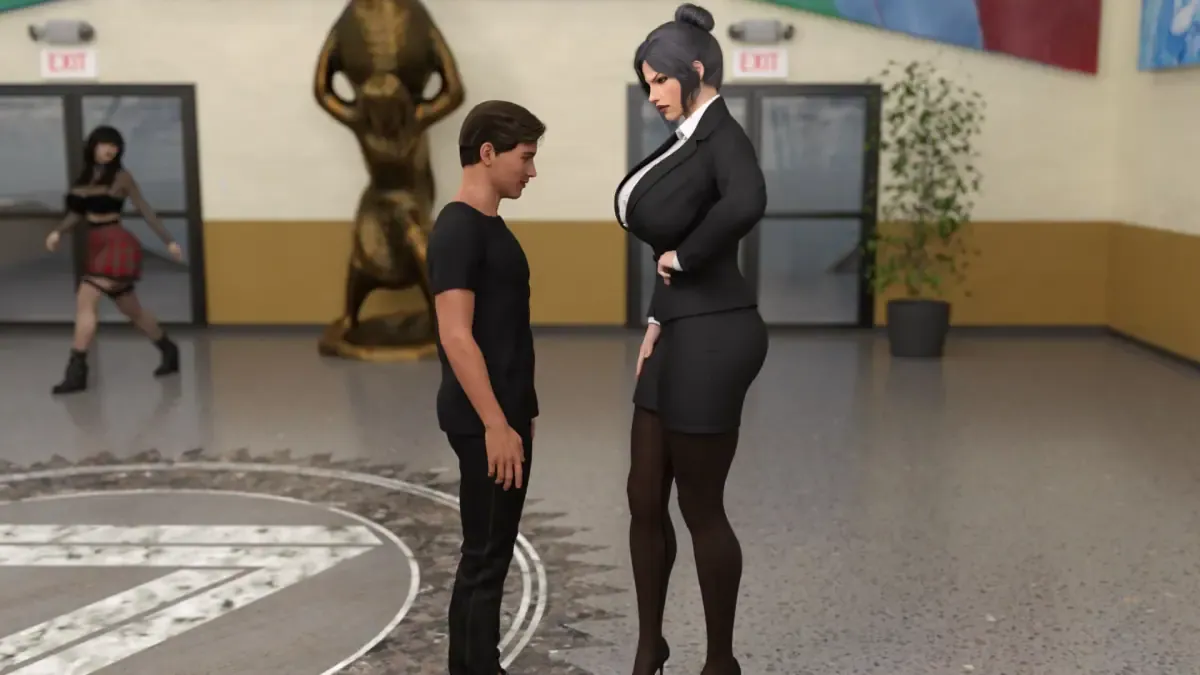
Demons of the Hearth Screenshots






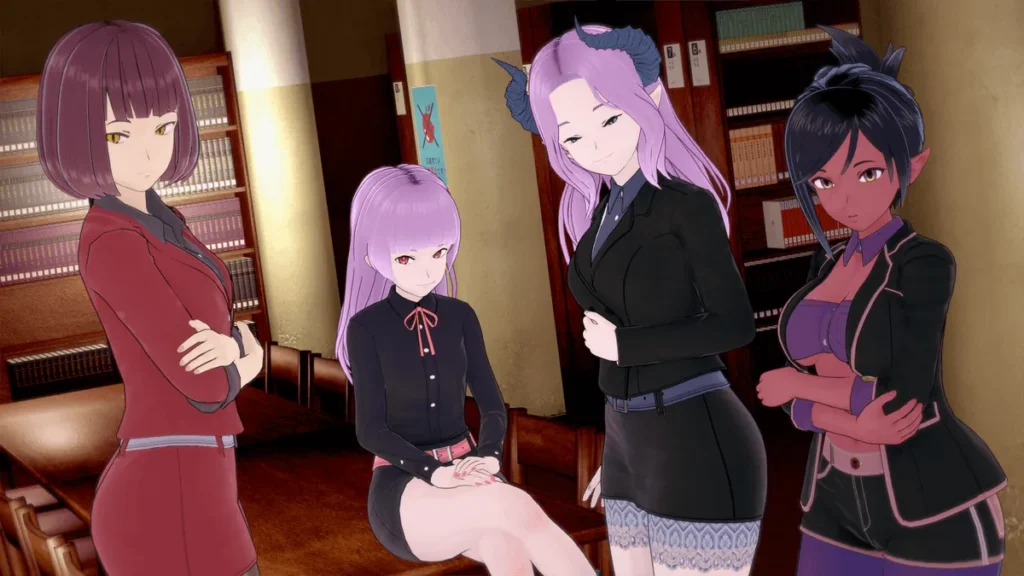
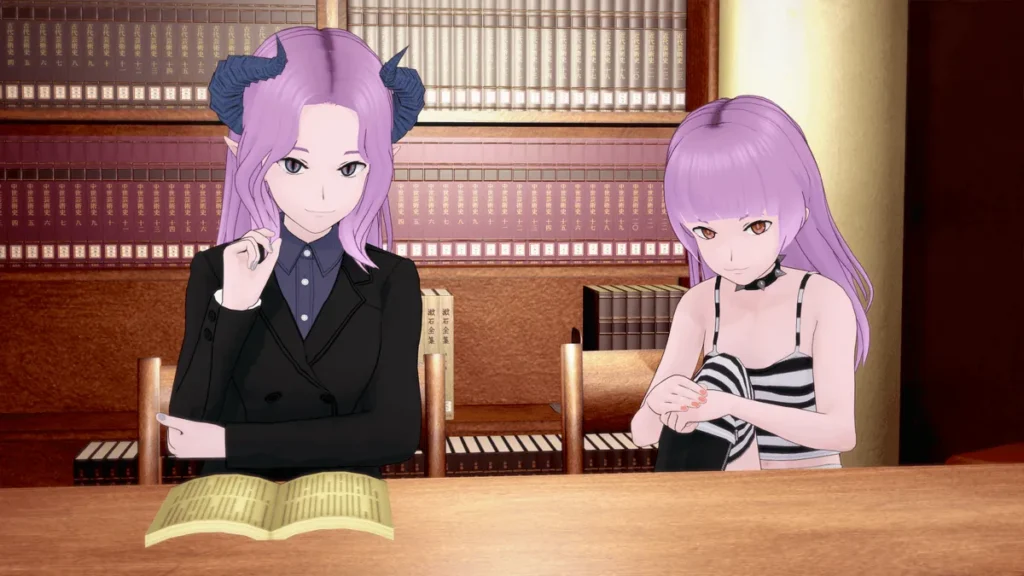
Demons of the Hearth review
Dive into Interactive Storytelling, Characters, and Immersive Gameplay
Imagine inheriting a rundown family home filled with secrets, quirky relatives, and mysteries that pull you into an epic tale of rebuilding and revelation. That’s the hook of Demons of the Hearth, the interactive storytelling game by Nyannyann that’s got players raving about its depth. I first stumbled upon Demons of the Hearth during a late-night itch.io browse, and what started as curiosity turned into hours of gripping narrative. This Demons of the Hearth guide breaks down the story, characters, trust system, and gameplay tips to help you master this hidden gem. Whether you’re new or stuck in sandbox mode, let’s uncover why this game’s character-driven adventure stands out in the adult visual novel scene.
What Makes Demons of the Hearth Story So Addictive?
I still remember the exact moment the Demons of the Hearth story sunk its claws into me. 😱 I was just messing around, trying to secure a better inheritance share for my character by sweet-talking a relative. It was a simple, cynical goal. Then, I stumbled upon a hidden letter in the study, not by a guide, but purely by choosing to “Rummage through the desk” on a whim. The words on that page didn’t just change the inheritance—it hinted that my kindly old uncle might have been involved in something truly dark years ago. My jaw dropped. That’s the magic trick this game pulls: it wraps a family drama around a spine of quiet, creeping dread. You’re not just managing a household; you’re slowly peeling back the layers of a home filled with secrets, and I was instantly, utterly addicted.
This chapter is all about why that Demons of the Hearth plot is so impossible to put down. We’re going to unpack its brilliant world, see how your choices truly matter, and discover the hidden gems that make every playthrough unique. Consider this your friendly guide from one obsessed player to another. ✨
Unpacking the Core Narrative and Worldbuilding
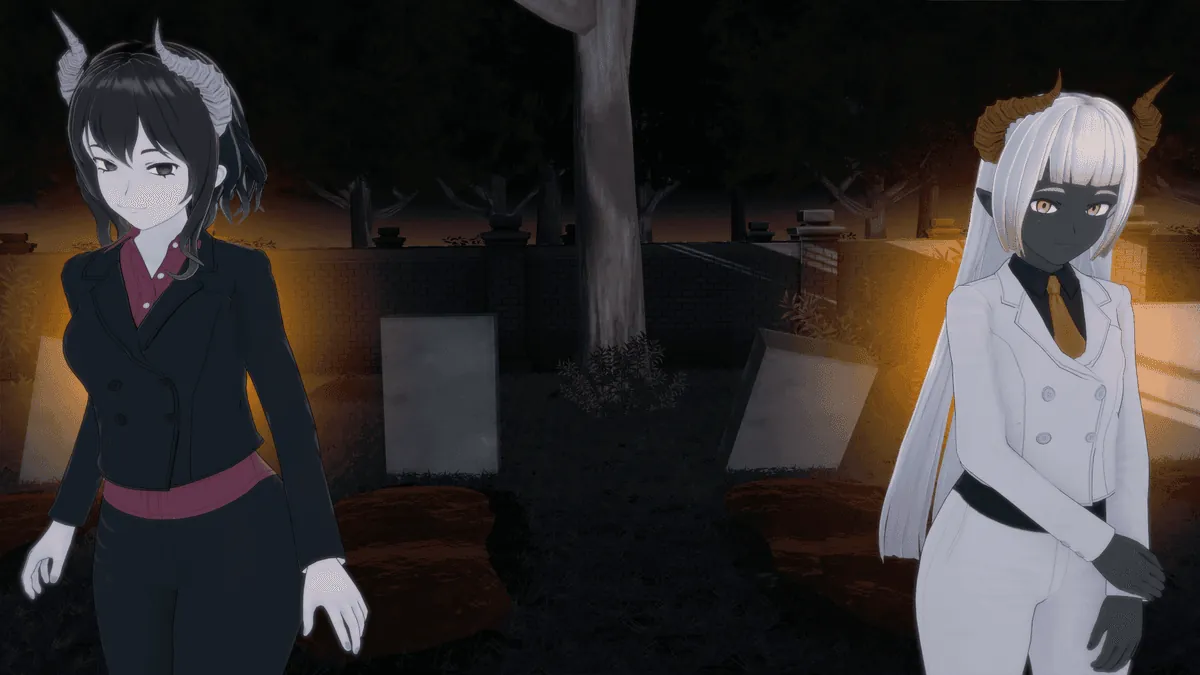
At its heart, the Demons of the Hearth worldbuilding is a masterclass in atmosphere. The game doesn’t build a sprawling fantasy kingdom; it builds a single, sprawling house and the flawed, fascinating people in it. The “Hearth” isn’t just a setting—it’s a character. Every creaking floorboard, every locked attic trunk, every sun-drenched parlor holds a story. The genius is in the blend: one moment you’re mediating a petty squabble between cousins over breakfast, and the next, you’re piecing together clues that suggest a serial killer might be living under your very roof. 🏡🔪
The narrative thrives on this duality. The domestic routines—meals, chores, social calls—create a comforting, believable rhythm. This makes the sudden cracks in that reality so much more powerful. You’ll find a diary entry that contradicts a family member’s alibi. You’ll notice a “helpful” neighbor always seems to appear right after a tragic “accident” befalls someone. The game seeds these thriller elements so naturally into the Demons of the Hearth story that you start questioning everything and everyone.
“I went in expecting a life sim and got a psychological thriller. The way the family drama ties into the darker mysteries… I’ve replayed four times and I’m still finding new notes, new suspicions. It’s genius.” — A player from the game’s community.
This rich backdrop is why the plot feels so addictive. You’re not following a linear track; you’re conducting your own investigation within a living, breathing family ecosystem. The Demons of the Hearth worldbuilding provides the perfect, tense stage for your personal saga to unfold.
How Choices Shape Your Family Legacy Path?
Forget good or evil endings stamped with a letter grade. Demons of the Hearth is all about crafting your family’s legacy, a path that is uniquely crooked and shaped entirely by your decisions. This is where the Demons of the Hearth plot becomes yours. There’s no grinding or filler; every conversation, every explored room, every kept or spilled secret is a narrative brick you lay down.
Let’s say you discover a sibling is stealing heirlooms to pay off a debt. You have a menu of choices, each with profound ripple effects:
* Cover for them: You gain a powerful, loyal ally, but you’ve now co-signed their deception, which other sharp-eyed relatives might discover.
* Confront them privately: You might reform them or create a bitter, secret enemy plotting against you.
* Expose them publicly: You gain a reputation for integrity (or ruthlessness), shatter the family’s trust, and potentially send that character down a much darker, desperate path.
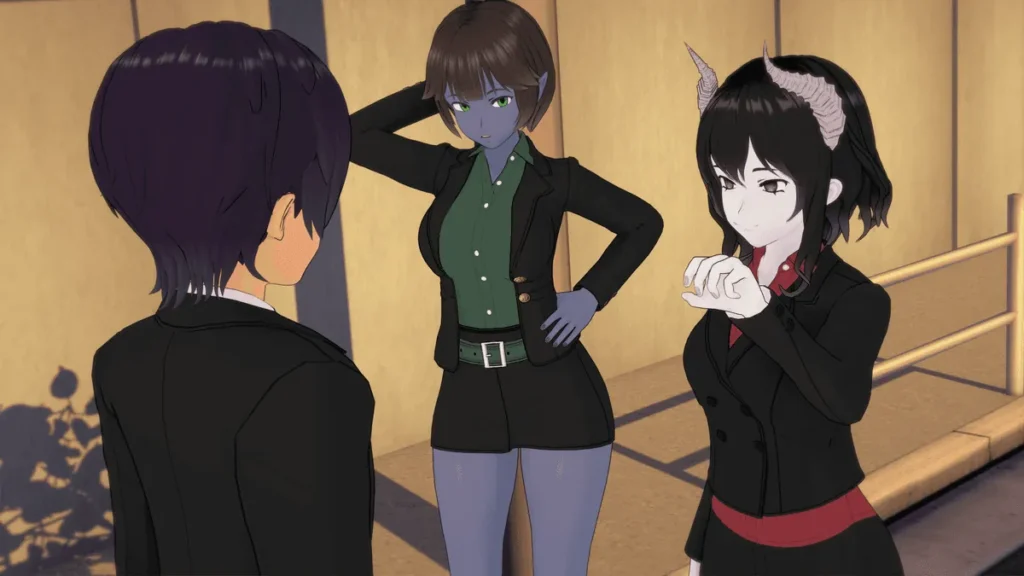
These aren’t just flavor text. The game’s internal “relationship” and “secrets” states are constantly updating. A character you betrayed might later refuse to warn you about a real danger, or might be the one to provide you with a crucial alibi. Figuring out how to progress Demons of the Hearth is less about checking tasks off a list and more about understanding these human (and sometimes inhuman) dynamics.
The beauty is in the replayability. On a second playthrough, knowing what you know, you can actively cultivate a family of allies, or you can manipulate everyone to become the sole, sinister power in the house. Maybe you focus on uncovering the supernatural truth, or maybe you decide the real monster is greed, and you become it. Your family legacy path is a direct mirror of your choices.
Unlocking Hidden Events and Side Quests
While the core mystery is compelling, the true soul of the game often lives in its Demons of the Hearth side quests and hidden Demons of the Hearth events. These aren’t generic “fetch 10 herbs” tasks. They are emotionally charged, character-defining stories that trigger naturally from your actions. Finding them is the game’s greatest reward.
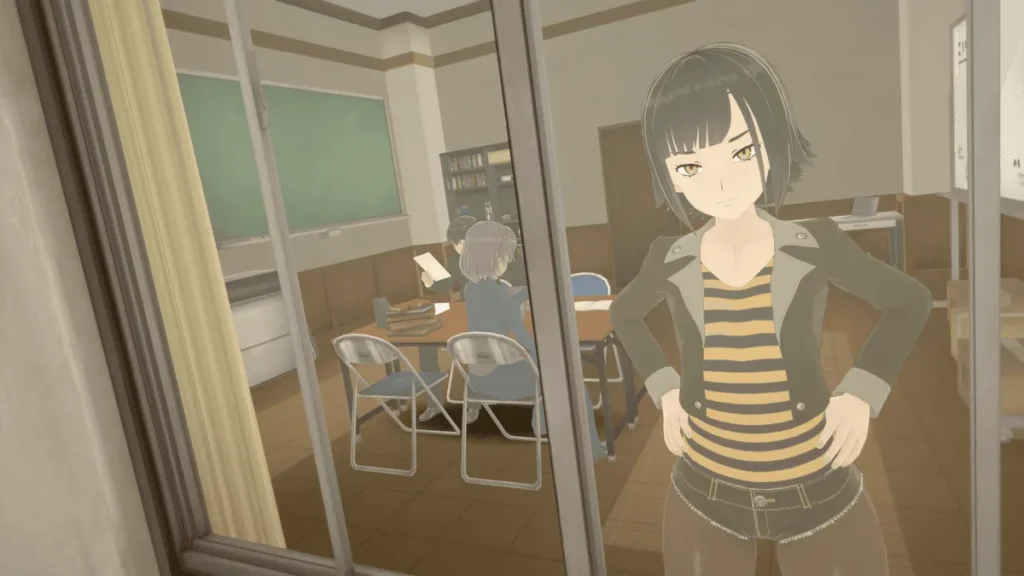
The key is engagement and timing. The world is on a clock, and characters have their own schedules. Stumbling upon a heartfelt scene between two estranged family members requires you to be in the right garden at the right twilight hour. A haunting, spectral vision might only trigger if you’ve read certain old letters and then enter the nursery alone after midnight. 🕰️👻
This is also the best way to avoid Demons of the Hearth sandbox mode fatigue. If you just treat the game as an open-ended house simulator, it can feel aimless. The magic happens when you use the sandbox tools with purpose. Want to know if the groundskeeper is involved in the disappearances? Don’t wait for a quest prompt—tail them. Use the “Follow” interaction, listen to their conversations, and break into their shed at night. The game will recognize your detective work and reward you with a chilling event chain that would never have appeared otherwise.
Here’s my practical advice for triggering the best content and understanding how to progress Demons of the Hearth smoothly:
- Talk to Everyone, Every Day: Dialogue options change based on what you know and what’s happened. A casual chat after a funeral is wildly different from one after a party.
- Be a Nosy Parker: Click on everything. Bookshelves, wardrobes, patched-up floorboards. The most mundane object can start a Demons of the Hearth side quest.
- Monitor the Main Menu Hints: The game subtly tells you what’s blocked. You “can’t confront the suspect” yet? You likely need more evidence, or a specific event, like another killing, to raise the stakes.
- Save Before Big Choices: Then bravely live with the consequences on your main save. The tension is real!
- Vary Your Routine: If you always eat breakfast in the kitchen, you’ll miss the argument happening in the dining room. Explore.
To help you track the cause and effect of some key events, here’s a simple guide:
| Your Action (The Cause) | Potential Story Event (The Effect) |
|---|---|
| Repeatedly comfort a grieving character | They may confide a crucial secret about the night of a death, unlocking a new suspect. |
| Accuse someone publicly without proof | The family turns against you, locking you out of future group discussions and making you a target. |
| Spend multiple nights investigating the attic | You may trigger a supernatural event that either provides answers or attracts a dangerous presence. |
| Successfully blackmail a relative | They become your unwilling pawn, but their desperation may lead to an unpredictable, violent event. |
Ultimately, the most addictive part of the Demons of the Hearth story is that it makes you the author. The plot is a framework, the world is a detailed diorama, and the events are toys on the shelf—but you decide which ones to play with and in what order. You craft the legacy, you uncover the truth (or bury it), and you live with the beautifully messy consequences.
So here’s my one actionable tip to take with you: Always make a point to explore key locations during both day and night cycles. The house has two faces, and the events you find after dark will often redefine everything you thought you knew by the light of day. Happy haunting. 😉
Demons of the Hearth masterfully weaves family drama, thriller twists, and deep character bonds into an interactive experience that lingers long after you close the game. From the trust-driven interactions to those pulse-racing side quests, it’s a standout for anyone craving story over grind. My own dives into multiple playthroughs revealed endless layers – try disagreeing more, chase those hidden events, and let the hearth’s secrets unfold. Ready to rebuild your legacy? Download Demons of the Hearth on itch.io today and step into this emotional rollercoaster. Your next favorite tale awaits.