
Play Deliverance
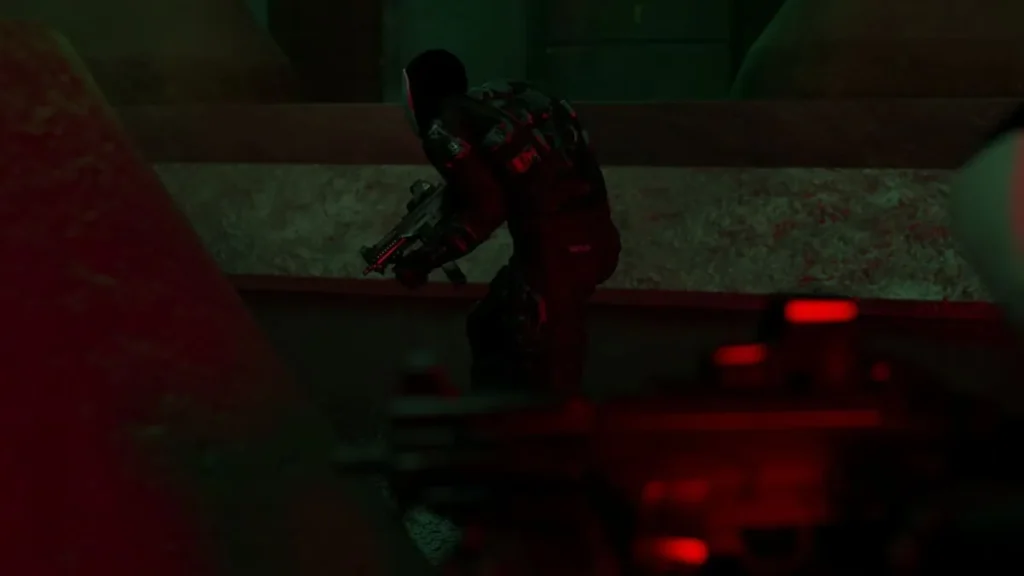
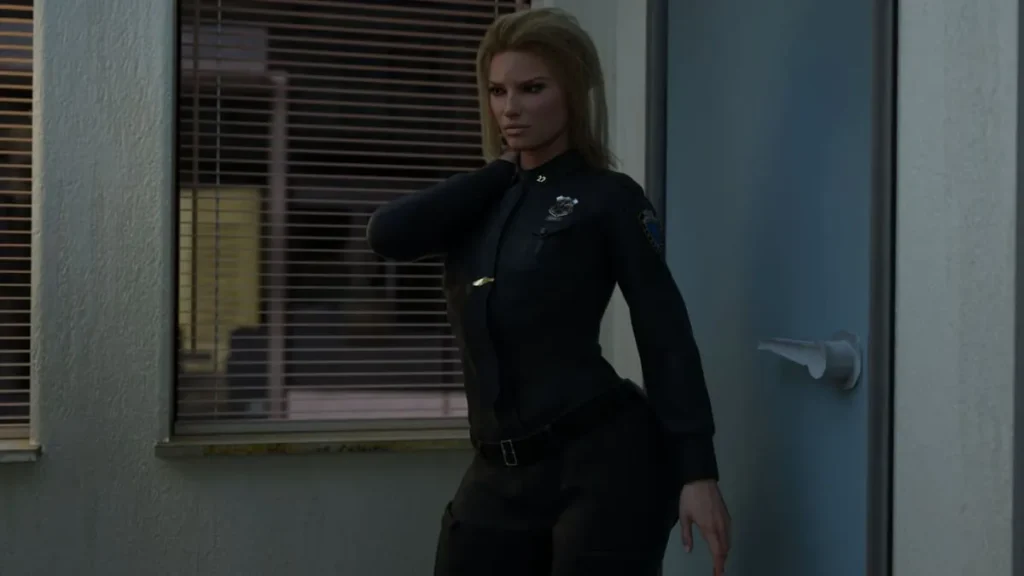
Deliverance Screenshots





















Deliverance review
Explore the immersive fantasy adventure combining visual novel storytelling with RPG mechanics
Deliverance stands out as a unique blend of visual novel storytelling, sandbox mechanics, and RPG progression systems. This fantasy adventure game combines first-person perspective gameplay with morality-driven narrative choices, squad-based combat, and character relationship development. Whether you’re interested in understanding the core gameplay loop, exploring the character systems, or discovering how your choices shape the story, this guide covers everything you need to know about what makes Deliverance a distinctive gaming experience. The game offers roughly 45 minutes of introductory content that establishes the gameplay style, introduces the main cast, and teaches the movement and interaction systems.
Core Gameplay Systems and Mechanics
At its heart, Deliverance is a game about freedom and consequence. 🎮 It’s not just about playing a story; it’s about living one, where every decision you make ripples out to change your world, your relationships, and even your own character’s psyche. The genius of its Deliverance game mechanics lies in how they weave together, transforming what could be separate systems into a single, cohesive experience. Think of it as a tapestry where the threads of a visual novel dating simulation, deep RPG character progression, and open first-person sandbox gameplay are all intricately connected.
This isn’t a game that puts you on rails. Forget simply choosing dialogue options and watching a cutscene. Here, you inhabit the world. You walk the streets, explore hidden corners, and initiate interactions on your own terms. The branching narrative choices aren’t just limited to conversations; they’re in every action you take, from how you spend your time to who you decide to help—or exploit. This guide will break down the core pillars that make this immersive fantasy adventure tick, showing you how to navigate its rich systems and craft your own unique tale.
Understanding the First-Person Sandbox Experience
Step directly into the shoes of your protagonist. The first-person sandbox gameplay in Deliverance is your foundation for immersion. This isn’t a passive viewing experience; it’s a world you physically navigate and interact with. I remember early on, I was tasked with gathering information in a bustling town square. Instead of just clicking a “talk” prompt on a character, I actually had to walk up to them, engage in conversation, and choose my approach. Could I charm them? Bribe them? Or perhaps eavesdrop from a nearby alley first? The sandbox nature means the solution is rarely prescribed.
This perspective creates an unparalleled sense of agency. You decide your daily routine. Do you spend the morning training your combat skills, the afternoon completing quests for a potential romantic interest, and the evening exploring a forbidden part of the forest? The world is your oyster, and this freedom is central to the Deliverance game mechanics.
Key features of this sandbox approach include:
- First-Person POV: Every interaction feels personal and immediate, deepening your connection to the world and its inhabitants.
- Sandbox Mechanics: Explore non-linear environments, pick up objects, and approach problems from multiple angles based on your skills and curiosity.
- Visual Novel Progression: Key story beats and character interactions are presented with stunning character art and dynamic dialogue, seamlessly blending exploration with narrative depth.
- Dating Sim Aspects: Relationships are built through sustained effort, choosing when and how to interact with characters, and sharing experiences in the world itself.
- Squad-Based RPG Elements: Recruit companions who follow you in the world, each with their own skills and personalities that affect combat and social scenarios.
- Mini-Games: Various challenges, from lock-picking to social encounters, are handled through interactive mini-games that test your player skill.
The magic happens when these systems collide. For instance, helping a character with a personal errand (a sandbox quest) might unlock a new, more intimate series of visual novel dating simulation scenes with them, which in turn could influence your standing with another character, creating a web of branching narrative choices that feels organic and earned.
Visual Novel Story Progression with Dating Simulation Elements
While the sandbox gives you freedom, the soul of Deliverance is delivered through its exquisite visual novel dating simulation storytelling. 🖼️💘 After you’ve explored the world and initiated contact, the game shifts to beautifully rendered scenes where character expressions, backgrounds, and music set the tone. This is where relationships are forged or broken.
The dating simulation aspects are deeply woven into the RPG character progression. Your protagonist’s stats—like Charisma, Intelligence, or Courage—aren’t just for combat or checks. They directly open up new dialogue and action options during these visual novel segments. A high Intelligence stat might let you see through a lie or offer clever advice, strengthening a bond. A character with high Courage might access more daring, flirtatious options.
Pro Tip: Don’t just pump points into one stat. I learned this the hard way. Focusing solely on physical strength made me a powerhouse in conflicts, but I was locked out of so many nuanced, relationship-building conversations. A balanced build, or one tailored to the specific characters you want to pursue, is often more rewarding.
Building a relationship is a journey. It’s not about picking the “right” choice three times in a row. Characters have memories, moods, and preferences. They react to your reputation, your recent actions in the sandbox world, and even the time of day you choose to visit them. This makes every connection feel unique and authentic. The branching narrative choices here are paramount; a supportive ear in a moment of vulnerability can lead to a completely different story path than a sarcastic or dismissive remark.
Morality, Depravity, and Insanity Development Systems
This is where Deliverance separates itself from many other narrative games. Your actions don’t just change the story externally; they change you internally. The morality system game design is a masterclass in consequence, tracking not just “good vs. evil,” but the gradual shaping of your character’s soul and sanity. 🌓⚖️
The game operates on three interconnected internal tracks:
- Morality Tracking: This is your classic alignment, but with nuance. Are you kind, just, and heroic? Or are you selfish, manipulative, and cruel? Your choices in quests and dialogue steadily push you along this spectrum.
- The Depravity Meter: This is a more insidious system. Certain actions—especially those of a violent, selfish, or hedonistic nature—feed this hidden meter. It’s not just about being “evil”; it’s about indulging in base desires and embracing corruption. As it fills, new, often darker, options become available to you.
- Insanity Development: This is the most fascinating system. Traumatic events, prolonged high stress, certain magical encounters, or even a massively high Depravity Meter can contribute to your character’s grip on reality. This isn’t just a cosmetic effect; it can alter your perception in the sandbox world, unlock bizarre dialogue choices, and change how scenes are presented in the visual novel segments.
These systems are brilliantly interconnected. For example, choosing a depraved action might give you a short-term advantage in a quest, raising your Depravity. If this becomes a pattern, it might lower your Morality and, over time, begin to chip away at your sanity, manifesting as auditory whispers or visual distortions during exploration. This morality system game design ensures that your branching narrative choices have a profound, lasting impact.
| System | Core Mechanics | Direct Player Impact |
|---|---|---|
| Morality Tracking | Long-term alignment shift based on major ethical choices, quest resolutions, and treatment of characters. | Unlocks specific quests, determines which factions trust you, influences certain character’s willingness to interact. |
| Depravity Meter | Hidden meter filled by indulgent, cruel, or violent actions and choices. Can be mitigated by certain wholesome actions. | Unlocks unique, often powerful, but socially unacceptable dialogue and action options. Affects how some characters perceive you instinctively. |
| Insanity Development | Passive accumulation from trauma, high stress, high depravity, or specific story events. Can be managed with rest, therapy, or certain items. | Alters visual and audio presentation in the sandbox, introduces “unreliable narrator” elements in visual novel scenes, unlocks surreal story paths. |
| RPG Progression | Earn XP to level up core attributes (Strength, Charisma, etc.) and unlock skills in talent trees (Combat, Social, Subterfuge). | Gates mechanical and dialogue options, increases effectiveness in combat/mini-games, essential for tackling higher-difficulty challenges. |
Your RPG character progression is the engine that lets you engage with these systems. Investing in Social skills might give you more peaceful resolutions, supporting a wholesome Morality path. Investing in Subterfuge or certain Combat skills might make depraved or violent solutions more effective. Your build directly enables your ethical (or unethical) playstyle.
Finally, this all ties into the profound level of Deliverance protagonist customization. You don’t just choose a class; you choose your character’s gender and anatomy, and the game acknowledges this meaningfully. Romantic scenes, character reactions, and even some story beats can have variations based on your choices, making your protagonist feel truly your own. This customization isn’t superficial; it’s woven into the narrative fabric, further emphasizing that your version of the story is unique.
Powered by the versatile Ren’Py engine, Deliverance manages to tie these complex systems—the sandbox freedom, the visual novel intimacy, the psychological depth of its morality systems, and the tangible growth of RPG character progression—into one breathtaking package. It’s a game that asks not just what you will do, but who you will become in the process. Your journey, with all its wholesome, depraved, or shattered moments, awaits your first, defining choice. 🗺️✨
Deliverance offers a rich gaming experience that seamlessly blends visual novel storytelling with sandbox RPG mechanics. The game’s strength lies in its interconnected systems—where morality choices, character relationships, combat progression, and exploration all influence each other to create a truly personalized narrative journey. With its first-person perspective, squad-based gameplay, and multiple branching storylines leading to five different endings, Deliverance provides substantial replay value for players who want to experience different character arcs and moral paths. Whether you’re drawn to the relationship development systems, the strategic combat mechanics, or the freedom of sandbox exploration, Deliverance delivers a comprehensive adventure that respects player agency. The game continues to evolve with planned features and community support, making it an engaging choice for players seeking a narrative-driven RPG experience with meaningful consequences for their choices.